Date February 01, 2026
Category
February in Dallas-Fort Worth marks a pivotal turning point for your landscape. As average highs climb toward 59°F and overnight lows hover around 38°F, the late winter dormancy that has kept your trees in a resting state is about to give way to vigorous spring growth. This brief window — before buds break and new leaves emerge — is the single best opportunity to evaluate the health of every tree on your property. A thorough tree health assessment in Dallas during February can uncover hidden problems, guide your spring care strategy, and ultimately save you thousands of dollars in emergency tree work later in the year.
At TreeNewal, our ISA Certified Arborists use this critical pre-spring period to help homeowners across Southlake, Grapevine, Flower Mound, Plano, Frisco, Arlington, Fort Worth, and the entire DFW metroplex identify and address tree health issues before they escalate. Here is everything you need to know about why a February tree health assessment matters and what it involves.
Why February Is the Ideal Month for a Tree Health Assessment in DFW
Dormancy Reveals What Leaves Hide
During the growing season, a full canopy of leaves can mask serious structural and health problems in your trees. Cracks in major limbs, fungal fruiting bodies on the trunk, dead branches tangled in the crown — all of these issues become dramatically easier to spot once the leaves have dropped. In North Texas, most deciduous trees are still bare or just beginning to show the faintest signs of bud swell in February, which means visibility into the canopy is at its peak.
A tree health assessment performed during this dormant window gives arborists an unobstructed view of the tree’s architecture. They can trace every limb from trunk to tip, identify crossing branches that will cause bark damage, and spot cavities or cankers that indicate internal decay. This level of detail simply is not possible when the canopy is full.
The Strategic Planning Advantage
Think of a February tree inspection in Dallas as a strategic planning session for your entire landscape. Rather than reacting to problems after they appear in spring — when diseases are already spreading and pests are already feeding — you are getting ahead of the curve. Your ISA Certified Arborist can develop a prioritized action plan that schedules dormant pruning for trees that still have time, identifies candidates for spring fertilization, and flags any trees that need pest or disease treatments as soon as temperatures warm.
This proactive approach is far more effective and far less expensive than waiting until a tree shows visible stress in May or June. By then, options are often more limited and interventions more costly.
What to Look for During a Pre-Spring Tree Inspection
Dead and Damaged Branches
Dead branches are perhaps the most obvious sign of trouble, and February is when they stand out most clearly. While living branches will show subtle signs of life — slight flexibility, intact bark, and the beginnings of bud development — dead wood is brittle, often discolored, and completely devoid of emerging buds. Dead branches pose a significant hazard, especially in the Dallas area where spring thunderstorms can bring powerful winds. Identifying and removing dead wood now prevents it from becoming a projectile during the first major storm of the season.
Beyond outright dead branches, look for limbs with cracked or peeling bark, branches that hang at unusual angles suggesting partial breaks from winter ice, and any wood that sounds hollow when tapped. These are all warning signs that a branch has been compromised and could fail under stress.
Cankers, Fungal Growth, and Trunk Damage
Cankers — sunken, discolored areas on the bark — are entry points for disease and indicators of internal decline. In the Dallas-Fort Worth region, trees that endured drought stress during the previous summer are particularly susceptible to canker development over the winter. Check the trunk and major scaffold branches carefully for any areas where the bark appears sunken, cracked, or oozing sap.
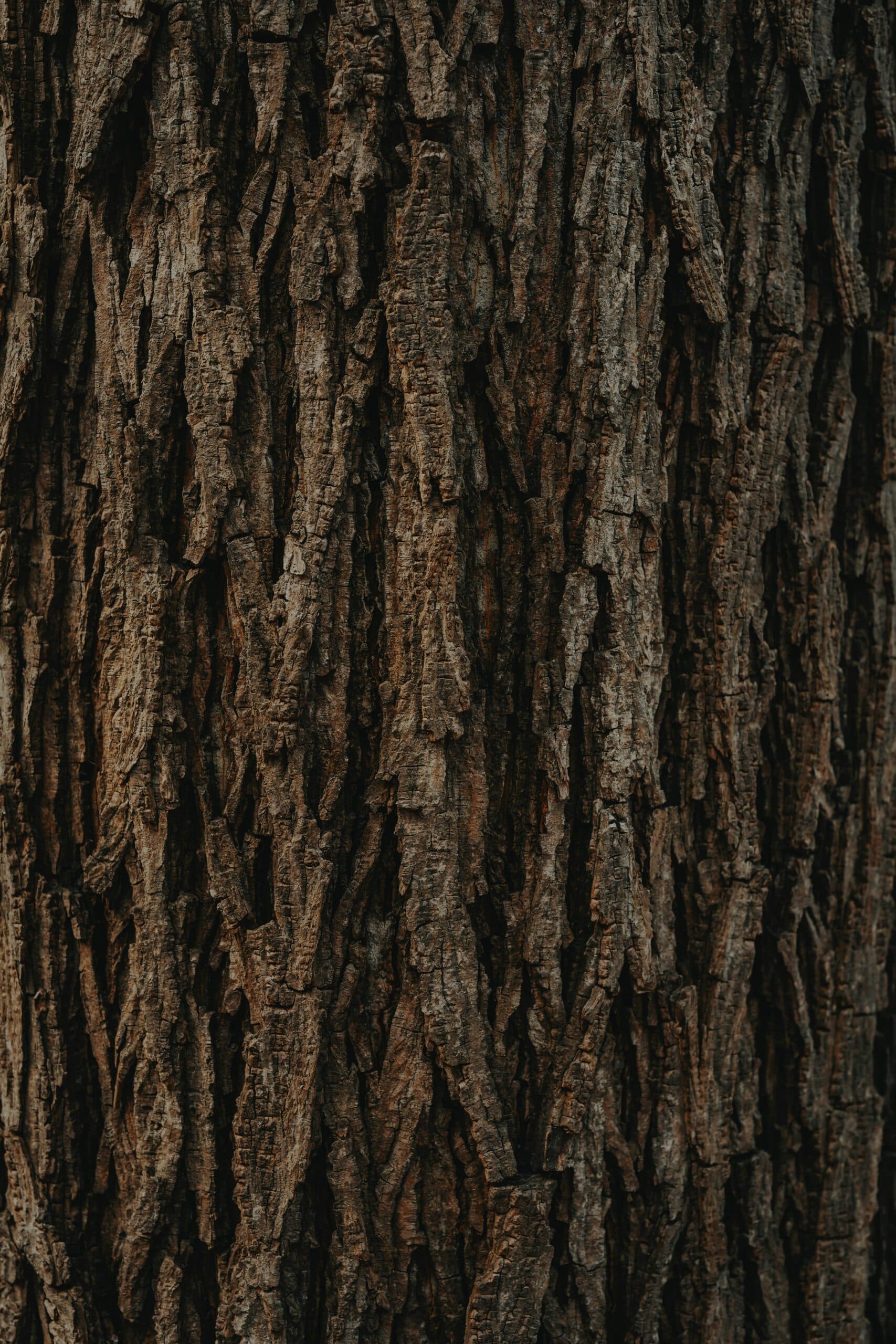
Fungal fruiting bodies, including conks (shelf fungi), mushrooms growing at the base of the tree, and powdery or slimy growths on the bark, are serious red flags. These structures are the reproductive organs of wood-decay fungi, and their presence indicates that significant internal rot may have already occurred. Hypoxylon canker, for instance, is a common problem in North Texas trees that have been weakened by heat and drought stress, and it often reveals itself during the winter months when bark begins to slough away to expose dark fungal mats beneath.
Root Zone and Soil Health
A comprehensive tree health assessment does not stop at the trunk. The root zone — the area extending out to and beyond the drip line of the canopy — is where your tree draws water and nutrients. February is an excellent time to evaluate soil conditions because the ground in DFW is typically moist enough from winter rains to get an accurate read on drainage and compaction.
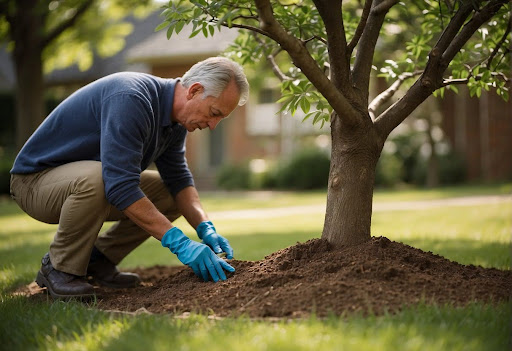
Walk the area around the base of each tree and look for signs of root problems: soil heaving or cracking that suggests roots are growing too close to the surface, mushroom clusters that indicate root decay, and any areas where the soil appears perpetually waterlogged or unusually dry. Compacted soil is an especially common issue in many North Texas neighborhoods where construction activity has compressed the soil around existing trees. Compacted soil restricts root growth, limits water infiltration, and ultimately starves the tree of oxygen and nutrients.
Your arborist may recommend a soil test during the February assessment. Understanding the pH, nutrient profile, and organic matter content of your soil allows for targeted fertilization and amendment recommendations that will support strong spring growth rather than relying on generic treatments that may not address your soil’s specific deficiencies.
Evaluating Winter Storm Damage
Dallas-Fort Worth winters can deliver ice storms, heavy freezes, and sudden temperature swings that take a serious toll on trees. Even if your trees appeared to weather the winter without obvious damage, a closer inspection in February often tells a different story. Hairline cracks in branch unions, partially split trunks, and frost cracks along the south- or southwest-facing sides of thin-barked species are all types of damage that develop quietly and can worsen rapidly once the tree resumes active growth in spring.
If your property experienced any ice accumulation or heavy frost events during December or January, a February tree health inspection is especially important. Ice-loaded branches may have sustained internal fiber damage that is not visible from the ground but has significantly weakened the limb. An ISA Certified Arborist can identify these compromised limbs and recommend removal or cabling before they fail catastrophically during a spring storm.
Planning Your Spring Tree Care Strategy
Fertilization and Soil Amendment Timing
February assessments provide the data you need to make informed decisions about spring fertilization. In the DFW area, most trees benefit from a slow-release fertilization applied in late February through March, just as root growth begins to accelerate. However, the specific formulation should be based on the results of a soil test and the health status of the individual tree. Over-fertilizing a stressed or diseased tree can actually make matters worse by pushing growth the tree does not have the energy reserves to support.
Soil amendments such as compost, mycorrhizal inoculants, and organic matter can also be incorporated in late February and early March. For properties in cities like Plano and Frisco, where heavy clay soils are common, these amendments are especially beneficial for improving drainage and root zone aeration. Your arborist can identify during the February inspection which trees would benefit most from soil improvement work.
Pre-Emergent Pest and Disease Treatments
Many of the most damaging tree pests in North Texas can be managed far more effectively with pre-emergent treatments applied before populations build. Aphids, scale insects, spider mites, and borers all become active as temperatures rise in spring, and by the time you see visible damage, the infestation is often well established.
A February tree health assessment allows your arborist to identify trees that are at elevated risk for pest problems — stressed trees, trees with a history of infestation, and species that are particularly susceptible to local pests — and schedule preventive treatments for optimal timing. Systemic insecticide applications, horticultural oils, and targeted biological controls are all far more effective when applied proactively rather than reactively.
Pruning Prioritization and Scheduling
February is the last window for dormant-season pruning on most tree species in Dallas before spring growth begins. Your assessment should identify which trees need structural pruning, deadwood removal, or canopy thinning, and prioritize them by urgency. Trees with safety hazards — hanging dead branches, limbs over roofs or walkways, or structural defects that could lead to failure — should be addressed first.
It is important to note that oak trees require special consideration in February. The Texas A&M Forest Service recommends avoiding all oak pruning from February through June due to the risk of oak wilt transmission. If your February assessment identifies pruning needs in your oaks, your arborist will advise on the safest approach, which may include deferring non-emergency work until midsummer.
The Cost of Skipping a February Assessment
Homeowners who skip the pre-spring assessment often find themselves dealing with far more expensive problems later in the year. A dead branch that could have been removed for a few hundred dollars in February becomes an emergency removal costing several times that amount when it falls on a fence during an April thunderstorm. A disease that could have been treated with a preventive application in March becomes a tree removal project by August.
The February tree health assessment is an investment in prevention. It gives you a clear picture of every tree on your property, a prioritized action plan, and the peace of mind that comes from knowing your landscape is prepared for the demands of another North Texas growing season. For homeowners in Arlington, Fort Worth, Southlake, Grapevine, and throughout the DFW metroplex, there is no better time to take stock of your trees than right now.
Schedule Your February Tree Health Assessment with TreeNewal
Do not wait until spring problems are already in full swing. TreeNewal’s ISA Certified Arborists are ready to provide a comprehensive tree health assessment for your Dallas-Fort Worth property, identifying issues while they are still manageable and building a customized care plan to keep your landscape healthy, safe, and beautiful all year long. Whether you are in Flower Mound, Grapevine, Plano, Frisco, or anywhere else in the DFW metroplex, our team has the expertise to help.
Call TreeNewal today at (817) 329-2450 or visit treenewal.com to schedule your pre-spring tree health assessment. Your trees will thank you.
You May Also Like