Date April 10, 2026
Category
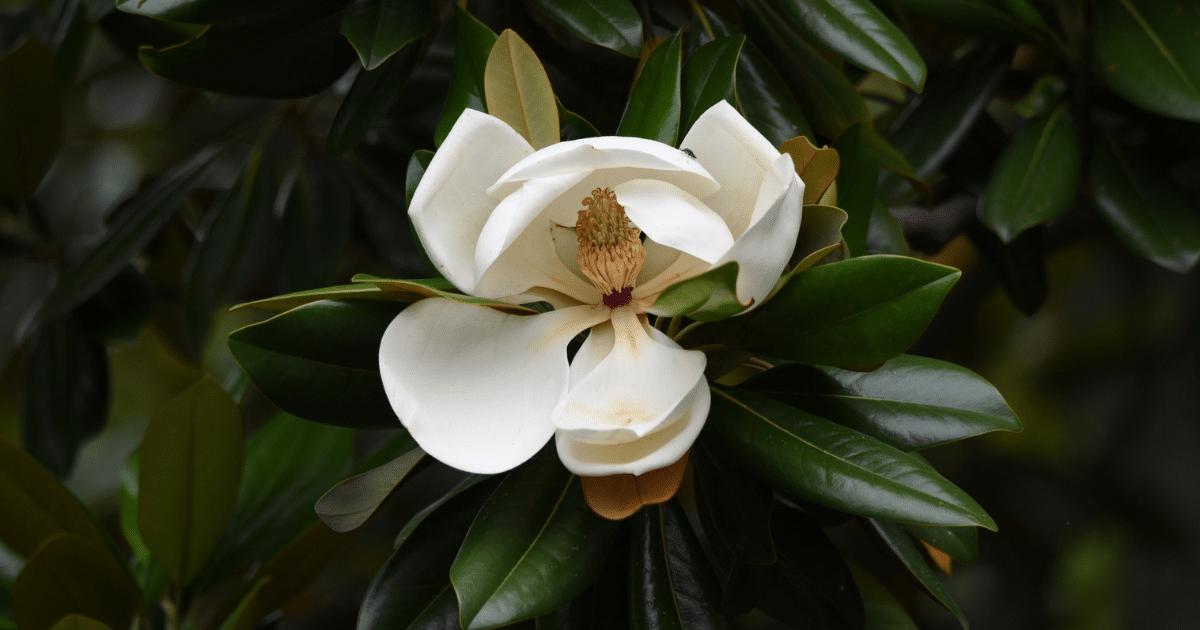
Magnolia trees are a standout feature in many Texas landscapes, known for their large, fragrant blooms and dense, glossy foliage. While they’re relatively low-maintenance compared to other ornamental trees, pruning is one area where many homeowners get it wrong. Understanding how to trim a magnolia tree properly is essential if you want to maintain its natural beauty without causing long-term damage.
Unlike fast-growing shade trees that can handle aggressive cuts, magnolias are slower to recover and more sensitive to improper pruning. Cutting too much—or trimming at the wrong time—can reduce flowering, weaken the tree, and create entry points for disease. On the other hand, strategic, minimal pruning can improve airflow, remove problem branches, and support healthy growth.
In this guide, we’ll cover when to prune, how to make the right cuts, what mistakes to avoid, and how to care for your tree afterward so it continues to thrive year after year.
Understanding Magnolia Tree Growth Habits
Before making any cuts, it’s important to understand how magnolia trees naturally grow. This helps you work with the tree instead of against it.
Natural Shape and Structure
Magnolia trees are known for their:
- Wide, rounded canopy
- Strong central structure (in many varieties)
- Low, spreading branches
Most varieties are self-shaping, meaning they naturally grow into an attractive form without heavy pruning. This is why aggressive trimming often does more harm than good.
Growth Rate and Recovery
Magnolias tend to grow at a moderate rate, and they don’t bounce back quickly from large cuts. When branches are removed:
- Healing takes longer than many other tree species
- Large wounds can remain vulnerable to pests and disease
- New growth may be uneven or sparse
Because of this, pruning should always be intentional and limited.
Flowering Considerations
Magnolia trees form their flower buds well before the blooming season. If you prune at the wrong time, you may accidentally remove those buds—resulting in fewer blooms the following year.
This is one of the most common issues homeowners run into when trimming magnolias.
When to Trim a Magnolia Tree
Timing is one of the most important factors in proper pruning.
Best Time to Prune
The ideal time to trim a magnolia tree is:
- Late spring to early summer, immediately after the tree has finished blooming
This timing allows you to:
- Preserve next year’s flower buds
- Reduce stress on the tree
- Encourage healthy new growth
Pruning during this window gives the tree enough time to recover before extreme heat or colder temperatures set in.
Situations That Allow for Off-Season Pruning
While most trimming should happen after blooming, there are exceptions:
- Dead or hazardous branches can be removed at any time
- Storm-damaged limbs should be addressed immediately
- Diseased branches should be cut promptly to prevent spread
In these cases, tree health and safety take priority over ideal timing.
When to Avoid Pruning
Avoid trimming your magnolia tree:
- In late fall or winter, when healing slows down
- Right before blooming season, as you’ll remove flower buds
- During periods of drought or extreme Texas heat
Poor timing can lead to stress, reduced flowering, and increased vulnerability to pests.
Step-by-Step: How to Trim a Magnolia Tree
Knowing how to trim a magnolia tree correctly comes down to using the right process and avoiding unnecessary cuts.
1. Inspect the Tree First
Before cutting anything:
- Walk around the tree and assess its structure
- Look for dead, damaged, or diseased branches
- Identify crowded or crossing limbs
Taking a few minutes to evaluate prevents over-pruning and helps you prioritize what actually needs to be removed.
2. Remove Dead or Diseased Wood
Start with the most important task—removing unhealthy branches.
Look for:
- Brittle or dry limbs
- Discoloration or fungal growth
- Branches with no leaves during growing season
Cut these back to healthy wood or to the branch collar (the swollen area where the branch meets the trunk). This helps prevent decay from spreading further into the tree.
3. Eliminate Crossing and Rubbing Branches
Branches that rub together create wounds that can invite pests and disease.
- Identify where branches intersect or press against each other
- Remove the weaker or poorly positioned branch
- Keep the stronger branch that supports the tree’s structure
This improves airflow and reduces long-term damage.
4. Maintain the Natural Shape
Magnolia trees look best when their natural form is preserved.
- Avoid cutting the top of the tree (no topping)
- Don’t try to reshape it into a different form
- Make small, strategic cuts instead of large removals
Maintaining the tree’s original structure keeps it healthy and visually appealing.
5. Use Proper Pruning Techniques
How you make each cut matters just as much as what you cut.
- Use sharp, clean tools to prevent tearing
- Cut just outside the branch collar
- Avoid leaving stubs or cutting too close to the trunk
Clean cuts heal faster and reduce the risk of infection.
Common Mistakes to Avoid
Even well-intentioned pruning can cause problems if done incorrectly.
Over-Pruning
Removing too much at once can:
- Stress the tree
- Reduce its ability to produce energy
- Limit future blooms
- Expose tree to sunscald
Stick to removing no more than 10–20% of the canopy at a time.
Topping the Tree
Topping is one of the most damaging practices.
- It destroys the natural shape
- Leads to weak, fast-growing shoots
- Increases the risk of disease and decay
Magnolia trees should never be topped.
Using Dull or Dirty Tools
Improper tools can:
- Tear branches instead of cutting cleanly
- Spread disease between plants
- Slow down the healing process
Always clean and sharpen your tools before pruning.
Ignoring Tree Size and Safety
Trying to prune large magnolia trees without proper equipment can be dangerous.
- Tall trees require specialized tools
- Heavy branches can fall unpredictably
- Improper cuts can create structural issues
Knowing your limits is an important part of proper tree care.
Magnolia Tree Care After Trimming
Pruning is only part of the process—what you do afterward also matters.
Watering
After trimming:
- Provide a deep watering to reduce stress
- Maintain consistent moisture, especially during hot Texas summers
- Avoid overwatering, which can lead to root issues
Mulching
Mulch helps protect the root system and retain moisture.
- Apply 2–4 inches of organic mulch
- Keep it a few inches away from the trunk
- Extend it out to the drip line if possible
Monitoring for Stress
Keep an eye on your tree in the weeks following pruning.
Watch for:
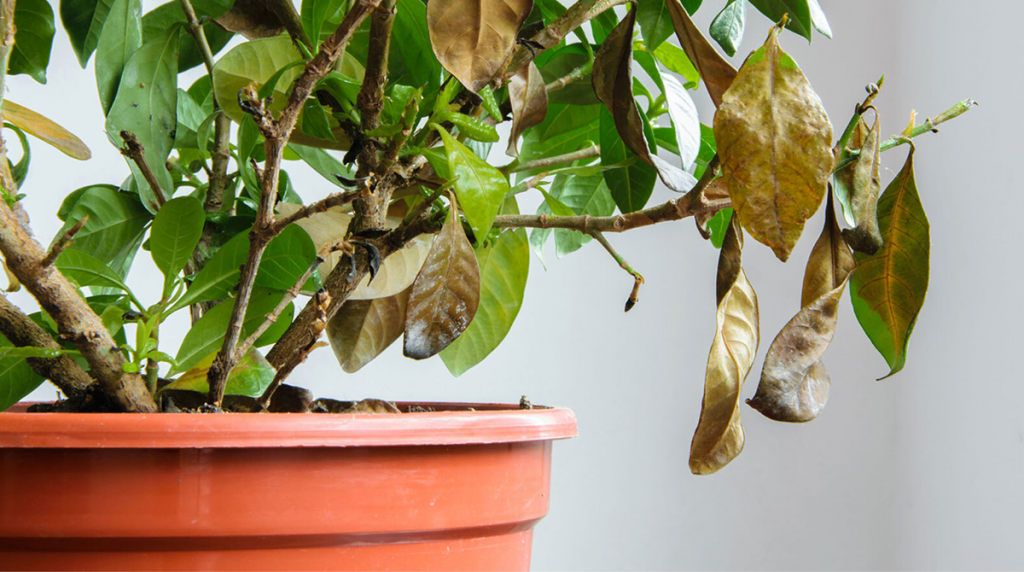
- Wilting or leaf drop
- Discoloration
- Signs of pests or disease
Early detection allows you to address issues before they become serious.
When to Consider Professional Pruning
While basic trimming can be handled by homeowners, some situations call for expert help.
Large or Mature Trees
As magnolia trees grow, pruning becomes more complex.
- Higher branches are harder to reach safely
- Larger cuts require more precision
- Structural balance becomes more important
Signs of Decline or Disease
If your tree shows signs of trouble, such as:
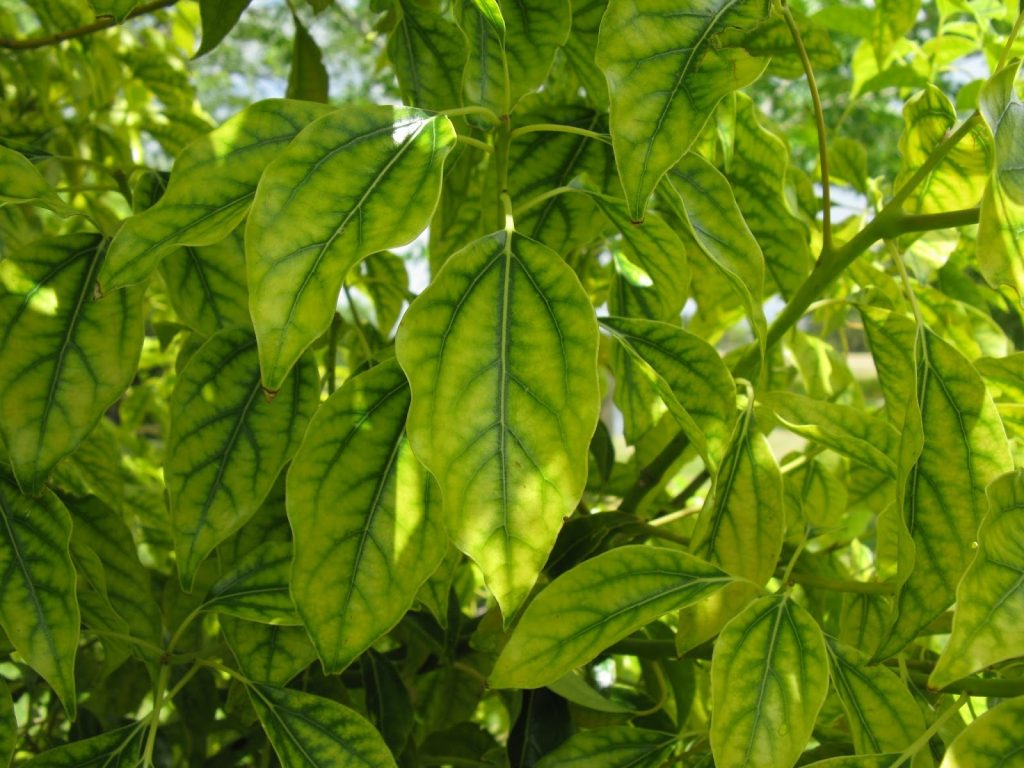
- Widespread leaf discoloration
- Dead sections in the canopy
- Cracks or decay in major limbs
A professional can diagnose and treat the issue properly.
Storm Damage or Structural Concerns
Texas weather can be unpredictable, and storms can cause significant damage.
- Broken limbs should be removed safely
- Structural issues need careful correction
- Improper handling can make the problem worse
Professional care ensures the tree is stabilized without causing further harm.
FAQs About Trimming Magnolia Trees
Can you trim a magnolia tree every year?
Yes, but only lightly. Annual maintenance pruning helps remove small problem branches without stressing the tree.
Will trimming a magnolia tree reduce blooms?
It can if done at the wrong time. Pruning before blooming season may remove flower buds and reduce the number of blooms.
How much should you trim at once?
No more than 10–20% of the tree’s canopy should be removed at one time to avoid stress.
Do magnolia trees need shaping?
In most cases, no. They naturally grow into a balanced, attractive form and require minimal structural pruning.
Conclusion
Learning how to trim a magnolia tree properly is less about doing more and more about doing it right. With the correct timing, careful cuts, and a focus on preserving the tree’s natural structure, you can support healthy growth without risking long-term damage.
Magnolia trees thrive when pruning is minimal and intentional. Removing dead or damaged branches, improving airflow, and avoiding common mistakes like over-pruning or topping will go a long way in maintaining both the health and appearance of your tree.
For larger trees or more complex issues, professional care can make a meaningful difference—especially when safety and long-term health are involved. With the right approach, your magnolia tree can remain a beautiful, thriving part of your landscape for decades.
You May Also Like