Date April 26, 2026
Category
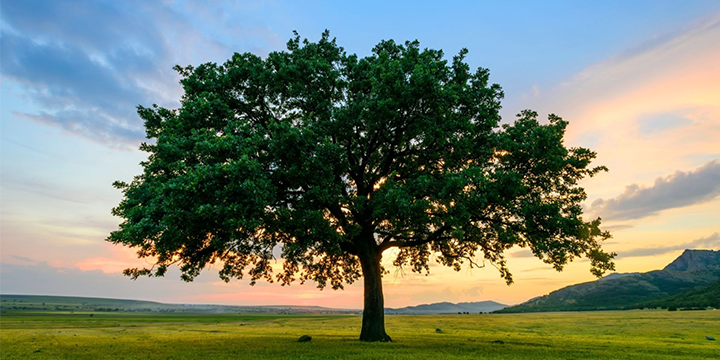
Pecan trees are a staple across Texas landscapes, valued for their shade, beauty, and of course, their harvest. But successful pecan tree care takes more than just planting and waiting. Between unpredictable weather, soil conditions, and common pests, keeping these trees healthy requires a thoughtful approach.
Whether you’re dealing with slow growth, sparse nut production, or signs of disease, understanding the basics of pecan tree care in Texas can make all the difference. From proper watering techniques to seasonal maintenance, small adjustments can lead to stronger trees and better yields.
In this guide, we’ll break down everything you need to know—how pecan trees grow, what they need to thrive, and how to avoid common issues that can impact their health.
Understanding Pecan Trees in Texas
Pecan trees are well-suited for Texas, but that doesn’t mean they’re low-maintenance. Their long lifespan and large size mean they require consistent care over time.
Why Texas Conditions Matter
Texas presents a unique mix of challenges:
- Long periods of heat and drought
- Sudden temperature swings
- Clay-heavy or compacted soils in many areas
These factors can stress pecan trees, especially if they’re not properly maintained.
Growth Patterns to Know
Pecan trees:
- Grow quickly when young
- Develop deep root systems
- Can take 6–10 years to produce significant nuts
Understanding this helps set realistic expectations and guides how you care for them at each stage.
Essential Pecan Tree Care Practices
Healthy pecan trees rely on a few core care practices done consistently.
Watering
Proper watering is one of the most important factors in pecan tree care.
- Young trees need deep watering 1–2 times per week
- Mature trees require less frequent but deeper watering
- Drought stress can reduce nut production and weaken the tree
A slow, deep soak is more effective than frequent shallow watering.
Fertilization
Pecan trees are heavy nutrient users.
- Nitrogen is especially important for growth and nut production
- Zinc deficiencies are common in Texas soils
- Fertilizing in early spring supports new growth
Soil testing can help determine exactly what your tree needs.
Mulching
Mulch helps regulate soil temperature and retain moisture.
- Apply 2–4 inches around the base
- Keep mulch a few inches away from the trunk
- Use organic materials like wood chips
This simple step can significantly improve root health.
Pruning and Structural Maintenance
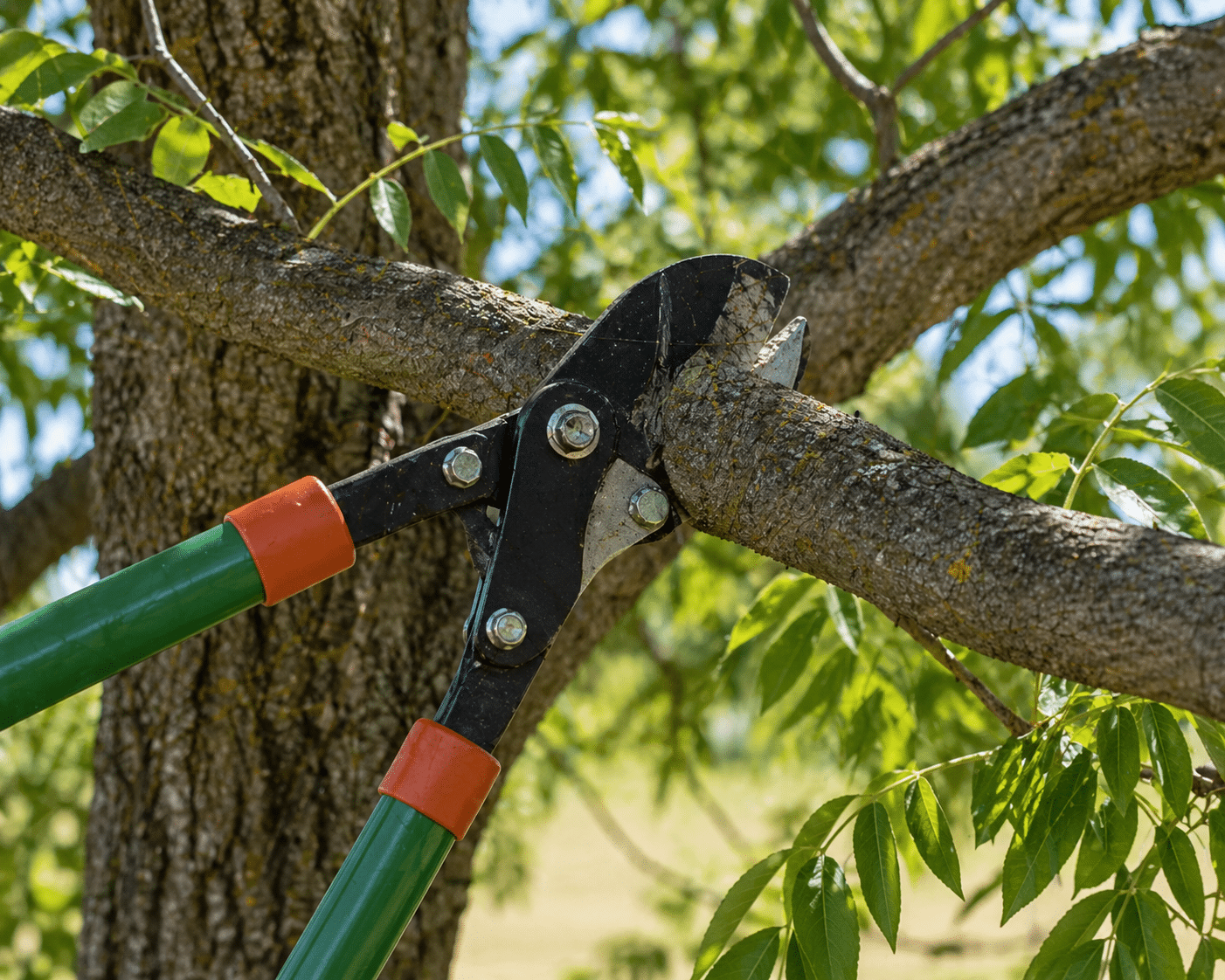
Pruning plays a key role in long-term tree health and safety.
When to Prune
- Late winter or early spring is ideal
- Avoid heavy pruning during peak growing season
- Remove dead or damaged branches year-round as needed
What to Focus On
- Remove crossing or rubbing branches
- Thin out dense areas to improve airflow
- Maintain a strong central structure
Proper pruning reduces disease risk and helps the tree grow more efficiently.
Common Problems with Pecan Trees
Even with good care, pecan trees can face a range of issues.
Pests
Common pests in Texas include:
- Aphids
- Pecan weevils
- Mites
Signs of infestation:
- Sticky residue on leaves
- Premature leaf drop
- Damaged or undeveloped nuts
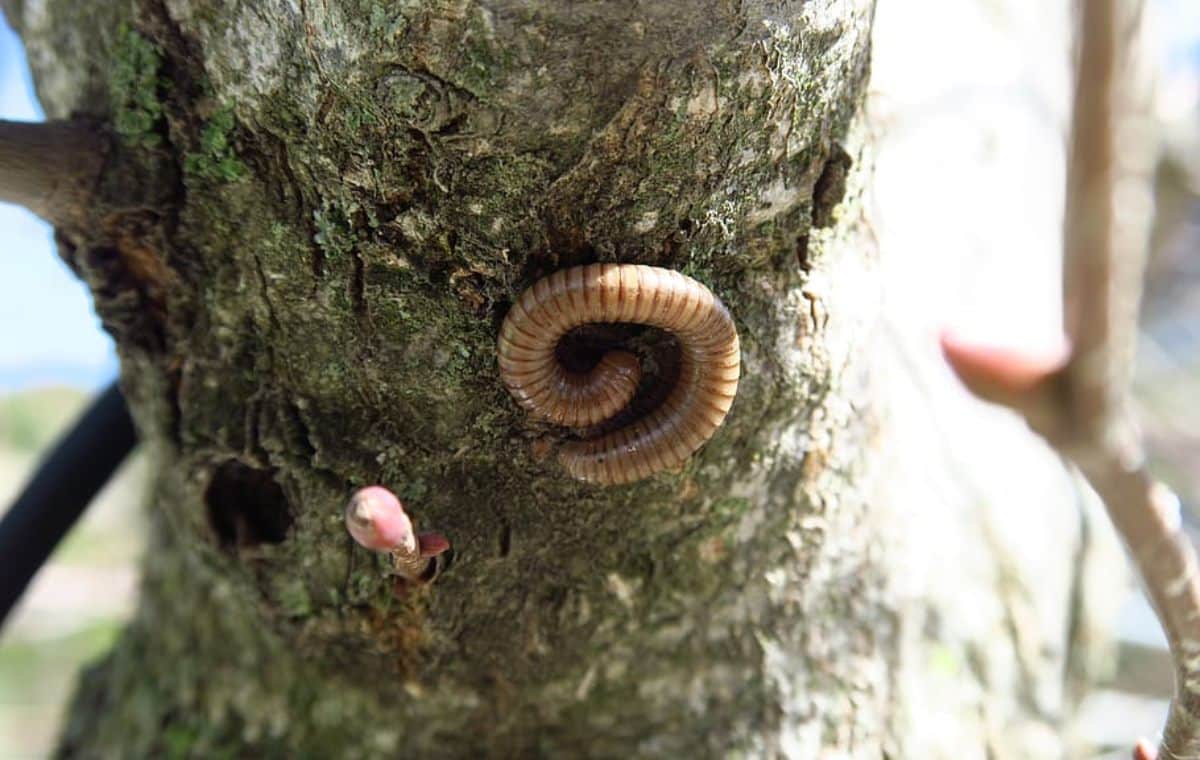
Early detection is key to preventing larger problems.
Diseases
Pecan trees are susceptible to several fungal diseases.
- Pecan scab is one of the most common
- Leaf spot and powdery mildew can also occur
These often thrive in humid conditions and poor airflow.
Nutrient Deficiencies
Watch for:
- Yellowing leaves (often zinc deficiency)
- Poor growth or thin canopies
- Reduced nut production
Addressing deficiencies early keeps trees from declining over time.
Seasonal Pecan Tree Care Guide
Different times of year require different approaches.
Spring
- Apply fertilizer
- Inspect for early pest activity
- Begin regular watering schedule
Summer
- Maintain deep watering during heat
- Monitor for pests and disease
- Avoid heavy pruning
Fall
- Clean up fallen leaves and debris
- Assess tree health after growing season
- Prepare for dormancy
Winter
- Prune as needed
- Inspect structure and remove hazards
- Plan for spring care
Staying consistent with seasonal care helps prevent problems before they start.
When to Call a Professional
While some maintenance can be handled on your own, certain situations require expert help.
Signs You Need Professional Care
- Large or overgrown trees
- Visible disease spreading through the canopy
- Structural concerns or storm damage
- Declining tree health despite regular care
Professional arborists can diagnose issues accurately and recommend solutions tailored to your tree and soil conditions.
FAQs About Pecan Tree Care
How often should pecan trees be watered in Texas?
Young trees need consistent watering, typically once or twice a week. Mature trees require deeper, less frequent watering, especially during dry periods.
Why isn’t my pecan tree producing nuts?
Common causes include:
- Lack of proper pollination
- Nutrient deficiencies
- Water stress
- Tree age
It may take several years for trees to reach full production.
What is the most common disease in pecan trees?
Pecan scab is one of the most common and damaging diseases, especially in humid conditions.
Do pecan trees need regular pruning?
Yes, but not excessively. Regular light pruning helps maintain structure and reduce disease risk.
Conclusion
Pecan tree care in Texas comes down to consistency and attention to detail. From proper watering and fertilization to pruning and pest management, each step plays a role in keeping your trees healthy and productive.
By understanding how Texas conditions impact growth and knowing what to watch for, you can prevent many common problems before they start. And when issues do arise, addressing them early makes a significant difference in long-term tree health.
If your trees need more advanced care—whether it’s diagnosing disease, managing growth, or improving overall health—working with experienced professionals can help protect your investment and ensure your pecan trees thrive for years to come.
You May Also Like