Date October 29, 2025
Category
Introduction:
As the vibrant fall colors fade and the chill of winter approaches, trees across the Dallas–Fort Worth Metroplex enter a crucial stage of their lifecycle. While winters in North Texas are typically milder than in other parts of the country, they’re no less challenging for your trees. The combination of cold fronts, dry spells, and unpredictable ice storms can pose serious threats—especially if your trees haven’t been properly prepared.
If you’re a homeowner in the DFW area, winter tree preparation isn’t just optional—it’s essential. Without proactive care, even mature, healthy trees can suffer from drought stress, branch breakage, pest infestation, and disease. The good news? With the right strategy, you can protect your trees through the cold season and set them up for vigorous spring growth.
This comprehensive seasonal guide from TreeNewal.com breaks down everything you need to know about winter tree care in Dallas–Fort Worth, including:
-
The impact of Texas winters on native and ornamental trees
-
When and how to mulch and water effectively
-
The benefits of dormant season pruning
-
How to spot hidden tree health issues
-
When to call an ISA Certified Arborist for professional help
Why Tree Health in Winter Matters in North Texas
Many homeowners assume that trees go “dormant” and don’t require much care during the winter months. While it’s true that above-ground growth slows, your trees are still very much alive—and vulnerable.
In Dallas–Fort Worth, winter conditions are characterized by:
-
Sudden temperature swings from 70°F to below freezing
-
Periodic ice storms and freezing rain
-
Dry air and soil dehydration
-
Increased risk of limb failure due to brittle, weakened wood
Unlike trees in northern climates that are adapted to long periods of dormancy and snow, many of our local ornamental and evergreen species remain semi-active throughout winter. This makes them particularly susceptible to damage if proper winterization steps aren’t taken.
Step 1: Assess Tree Health Before Winter Sets In
Before doing anything else, you should start with a comprehensive inspection of all the trees on your property.
Look for signs of:
-
Dead or brittle limbs
-
Cracks in branches or the trunk
-
Hollow or decaying spots in the wood
-
Leafless branches (if the tree is not deciduous)
-
Mushrooms or fungal growth near the base
These symptoms can indicate internal decay or structural instability—issues that often worsen under the weight of ice or snow.
If you’re unsure how to interpret what you’re seeing, don’t guess. TreeNewal’s ISA Certified Arborists offer professional tree evaluations using diagnostic tools that detect hidden damage before it becomes dangerous.
Step 2: Prune for Safety and Structure
Dormant season pruning is one of the most effective ways to keep your trees healthy and reduce storm-related hazards. Late fall and early winter are ideal for this, as trees have stopped growing and pests/pathogens are less active.
Benefits of winter pruning include:
-
Removing weak or dead limbs before they break
-
Improving airflow and sunlight penetration for spring
-
Shaping the tree for structural balance
-
Reducing risk of disease transmission through open wounds
TreeNewal’s pruning services are performed only by ISA Certified Arborists and trained crews who follow industry standards (ANSI A300) to ensure every cut is strategic and beneficial. Never allow “topping” or random limb removal—this causes long-term harm.
Step 3: Mulch for Moisture Retention and Root Insulation
Many homeowners mistakenly think mulch is just for aesthetic landscaping. In reality, mulch is one of the best defenses your tree has against winter stress.
Proper mulch:
-
Insulates the root system from extreme temperature swings
-
Helps retain moisture in the soil
-
Suppresses weed competition
-
Prevents soil compaction during cold, wet months
How to mulch properly:
-
Apply 2 to 4 inches of organic mulch like wood chips or bark
-
Spread it out in a doughnut shape, not a volcano shape
-
Keep mulch 3–4 inches away from the trunk flare
-
Extend mulch to the drip line for mature trees
TreeNewal provides root zone enhancement services that go beyond standard mulching—using tools like vertical mulching and compost infusions to restore compacted or nutrient-poor soils.
Step 4: Watering—Yes, Even in Winter
One of the most overlooked aspects of winter tree preparation in Dallas Fort Worth is irrigation. Even when it’s cold, trees lose water through their leaves and bark, and drought stress is a leading cause of winter dieback.
Smart winter watering tips:
-
Only water when temperatures are above freezing
-
Water deeply and slowly at the root zone
-
Focus on dry spells—especially after cold fronts
-
Evergreens (like live oaks, junipers, and hollies) need more water than deciduous trees
TreeNewal uses moisture meters and soil sensors to help homeowners determine when and how much to water—avoiding both under- and over-watering.
Step 5: Protect Tree Roots from Compaction and Salt
Winter soil protection isn’t just about mulch. In areas near driveways, sidewalks, or busy footpaths, soil compaction and salt exposure can have long-term effects on your trees’ root systems.
To protect your trees:
-
Avoid parking or stacking firewood near tree bases
-
Limit foot traffic around newly planted or young trees
-
Don’t use rock salt near root zones—use calcium magnesium acetate (CMA) instead
If your soil is already compacted, TreeNewal offers air spading and vertical mulching to restore oxygen flow and root health, which is especially important going into winter.
Step 6: Watch for Pests and Diseases Even in Cold Weather
Just because it’s winter doesn’t mean your trees are free from threats. Certain pests and diseases are still active—and sometimes even harder to detect in colder months.
Common winter pests and problems:
-
Borers and scale insects that overwinter under bark
-
Cankers and bacterial blights that flourish in damp conditions
-
Fungal spores that become active during wet periods
-
Rodents gnawing on bark and roots for food
TreeNewal’s tree health management programs include seasonal pest monitoring, early detection, and environmentally safe treatment plans using integrated pest management (IPM) principles.
Step 7: Wrap Young Trees (When Appropriate)
For newly planted or thin-barked trees, wrapping the trunk during winter can help protect against sunscald, frost cracks,and animal damage. But this technique should be done carefully—and never on mature or established trees.
When to wrap:
-
For trees under 3 years old
-
Thin-barked species like maples or ornamental cherries
-
Exposed areas that receive full sun during the day and freezing temps at night
TreeNewal can help determine if trunk wrapping is appropriate for your trees and apply breathable, biodegradable wrap that supports—not suffocates—your young tree.
Step 8: Brace or Cable Trees at Risk
Some mature trees may have heavy lateral limbs, old storm damage, or multiple trunks (co-dominant stems) that increase the risk of splitting under winter weather pressure.
In these cases, TreeNewal’s arborists can install tree support systems like:
-
Cabling: Steel or synthetic cords that prevent limbs from splitting
-
Bracing rods: Bolts placed through weak unions to reinforce structure
-
Lightning protection: For tall, isolated trees vulnerable to storm activity
These solutions help preserve heritage or high-value trees while protecting your property from falling limbs.
Step 9: Schedule a Tree Risk Assessment
While you can do a lot as a homeowner, the best way to ensure your trees are truly ready for winter is to get a professional tree risk assessment.
TreeNewal’s team of ISA Certified Arborists uses advanced diagnostic tools and their deep knowledge of Texas tree species to identify risks that aren’t always visible to the untrained eye.
A winter tree inspection includes:
-
Structural evaluation (canopy, trunk, root system)
-
Soil analysis
-
Pest and disease detection
-
Assessment of proximity to power lines, structures, and hardscapes
With this information, TreeNewal creates a customized tree care plan to keep your landscape safe and thriving through the winter and beyond.
Trees That Need Extra Winter Care in Dallas–Fort Worth
Not all trees in DFW face the same level of winter stress. Some native species are more resilient, while others—particularly non-native ornamentals—require more care.
Species that benefit from extra attention:
-
Crape myrtles: Susceptible to freeze damage and need proper pruning
-
Live oaks: Vulnerable to Hypoxylon canker if stressed
-
Bradford pears: Prone to breakage due to narrow branch angles
-
Magnolias and pines: Need consistent moisture and root zone protection
-
Newly planted trees: Less established root systems require more support
TreeNewal tailors its approach to each tree species, factoring in age, size, location, and existing health.
Don’t Wait for Winter to Arrive
The most effective winter tree preparation happens before the first freeze. Once temperatures drop and the ground hardens, it becomes much harder to prune, water, or protect your trees in a meaningful way.
By taking action now—in late fall and early winter—you give your trees the resilience they need to survive cold snaps, ice events, and everything else a Texas winter might bring.
Why Trust TreeNewal for Winter Tree Care in Dallas–Fort Worth?
TreeNewal is more than just a tree service. As ISA Certified Arborists with over 15 years of experience in the Dallas–Fort Worth region, their team brings a level of scientific understanding, care, and professionalism that’s hard to find elsewhere.
Why homeowners choose TreeNewal:
-
Certified by the International Society of Arboriculture (ISA)
-
Experts in local species, soils, and climate conditions
-
Comprehensive tree health, pruning, and risk assessment services
-
Eco-conscious and customer-focused tree care philosophy
From Southlake to Plano, Argyle to McKinney, TreeNewal helps thousands of North Texas homeowners protect their trees and enhance their landscapes.
Schedule Your Winter Tree Evaluation Today
The clock is ticking. Don’t leave your trees exposed to winter’s surprises
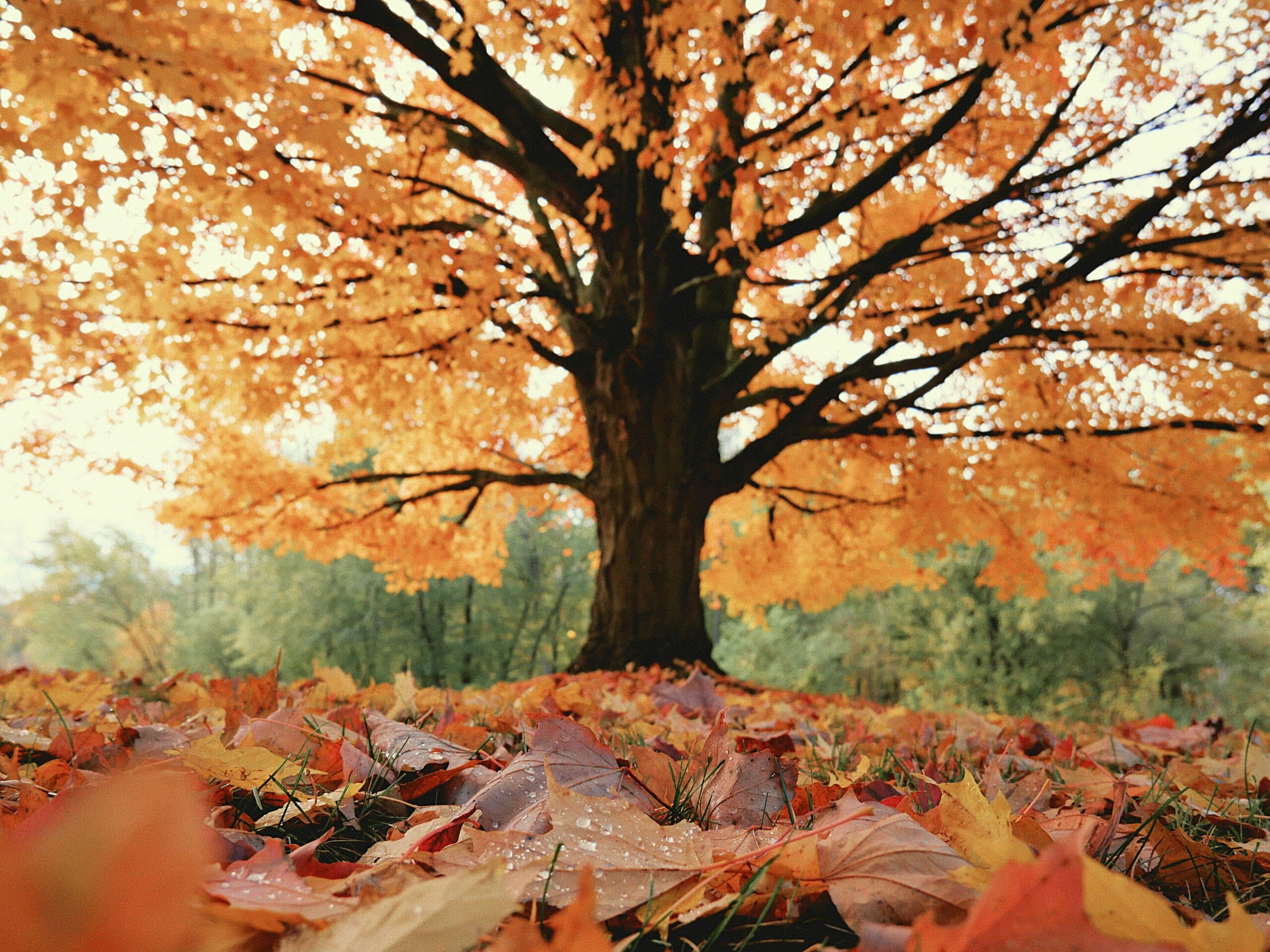
Photo by Aaron Burden on Unsplash
You May Also Like