Date May 20, 2026
Category
Trees are remarkably resilient. They can survive storms, droughts, and years of neglect before showing any outward distress. But that resilience can work against homeowners. By the time you notice something is wrong, the damage may already be severe. Recognizing the signs of a dying tree early is the single best way to protect your property, your family, and the tree itself.
Here in Dallas-Fort Worth, our trees face a unique combination of stressors: extreme summer heat, unpredictable freezes, heavy clay soils, and aggressive diseases like oak wilt and phytophthora.
Whether you have a mature post oak in Southlake or a row of crepe myrtles in Flower Mound, the warning signs below apply across species. If you catch them early enough, there is often still time to act.
8 Warning Signs Your Tree May Be Dying
1. Thinning or Sparse Canopy
A healthy tree produces a full, dense canopy each growing season. When you start seeing more sky through the branches than you used to, or leaves only appear on a few isolated limbs, something is wrong. Canopy thinning can result from root stress, nutrient deficiency, pest infestations, or chronic disease. In North Texas, drought stress and compacted clay soils are common culprits. Compare your tree to others of the same species nearby. If yours is noticeably thinner, schedule an evaluation before the decline progresses.
2. Dead or Brittle Branches
One of the simplest ways to tell if a tree is dying is the snap test. Grab a small branch and bend it. A living branch will flex and show green or moist wood inside. A dead branch snaps cleanly, is dry throughout, and may have no bark attached. Occasional dead twigs are normal, but when dead branches cluster in the upper crown (a pattern called “crown dieback”), the tree is losing its ability to sustain itself. Dead branches also pose a falling hazard during DFW’s spring and summer storms.
3. Bark Falling Off or Deep Cracks
Bark is a tree’s protective skin. When it peels away in large sheets or develops deep vertical cracks that expose bare wood, the underlying tissue may already be dead. Some bark shedding is natural for certain species (crepe myrtles and sycamores shed bark as they grow), so context matters. What you do not want to see is bare, smooth wood with no new bark forming underneath. Deep frost cracks from North Texas freeze events can also invite decay organisms into the heartwood.
4. Fungal Growth on the Trunk or Base
Mushrooms, conks, or shelf-like fungi growing on your tree’s trunk or at its base are among the most serious signs your tree is dying. These fruiting bodies indicate that decay fungi have already colonized the interior wood. By the time you see them on the outside, the internal damage is often extensive. White rot fungus and root rot are two of the most common fungal threats to DFW trees. Do not ignore fungal growth, even if the tree still has green leaves.
5. Leaning or Shifted Root Plate
A tree that has always grown at a slight angle is not necessarily a concern. But a sudden lean, especially one that appeared after a storm or heavy rain, signals root failure. Look at the base of the trunk where it meets the ground. If the soil is heaving upward on one side or you see exposed, snapped roots, the tree has lost its anchor. This is an emergency situation. A tree with a compromised root plate can fall without warning. Keep people and vehicles clear of the fall zone and contact an ISA Certified Arborist immediately.
6. Leaf Problems: Wilting, Discoloration, or Early Drop
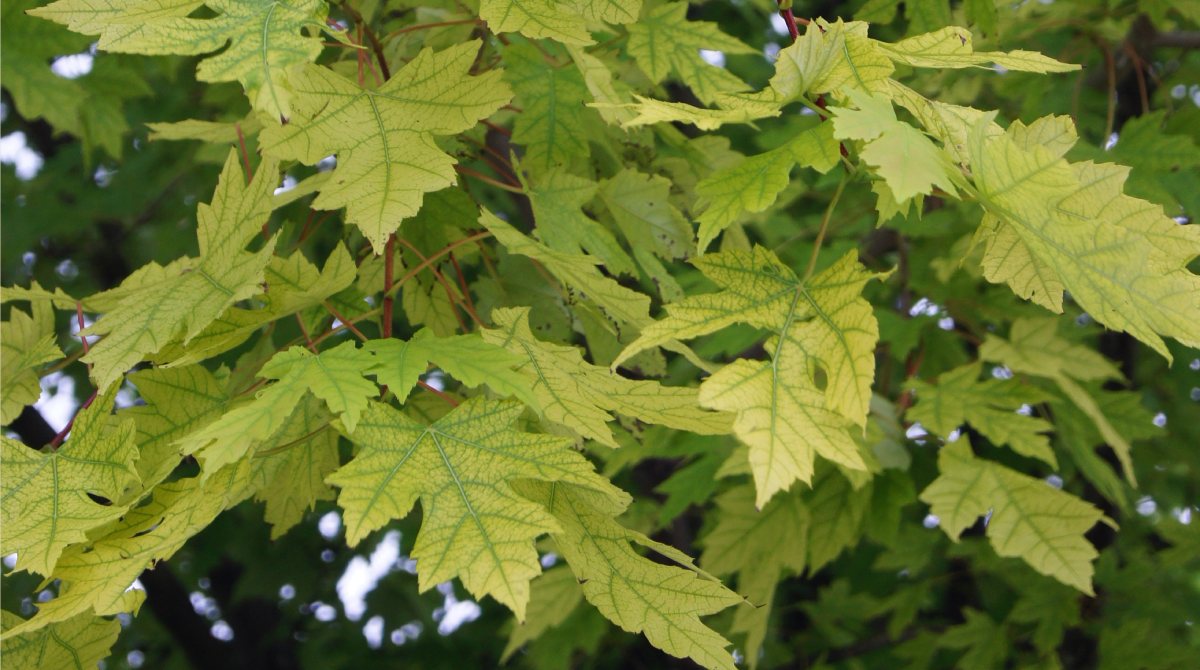
Leaves are the first place many tree problems become visible. Persistent wilting despite adequate water, yellowing during the growing season, brown or scorched edges, and premature leaf drop are all red flags. In DFW, these symptoms can point to everything from overwatering to oak wilt to bacterial leaf scorch. The challenge is that many different problems look similar at the leaf level, which is why professional diagnosis matters. Learn what it means when tree leaves wilt or how to rescue an overwatered tree.
7. Trunk Cavities or Hollow Sections
A cavity in the trunk means decay has been working inside the tree for years, sometimes decades. Small cavities do not always mean the tree must come down, as trees can compartmentalize decay and remain standing for a long time. But large cavities, especially those spanning more than a third of the trunk’s circumference, significantly reduce structural strength. If you notice soft, crumbly wood when you press on the trunk, have an arborist assess the remaining sound wood.
8. Root Issues at the Base
Root problems are easy to miss because they happen underground. Warning signs include soil heaving near the trunk, mushrooms around the root zone, and a general lack of vigor despite proper watering and care. Construction damage is one of the most common causes of root decline in DFW’s rapidly developing suburbs. Even a single trenching project can sever critical roots the tree depends on for stability and nutrient uptake. Root rot of Texas trees is another frequent issue, particularly in areas with poor drainage.
Can a Dying Tree Be Saved?
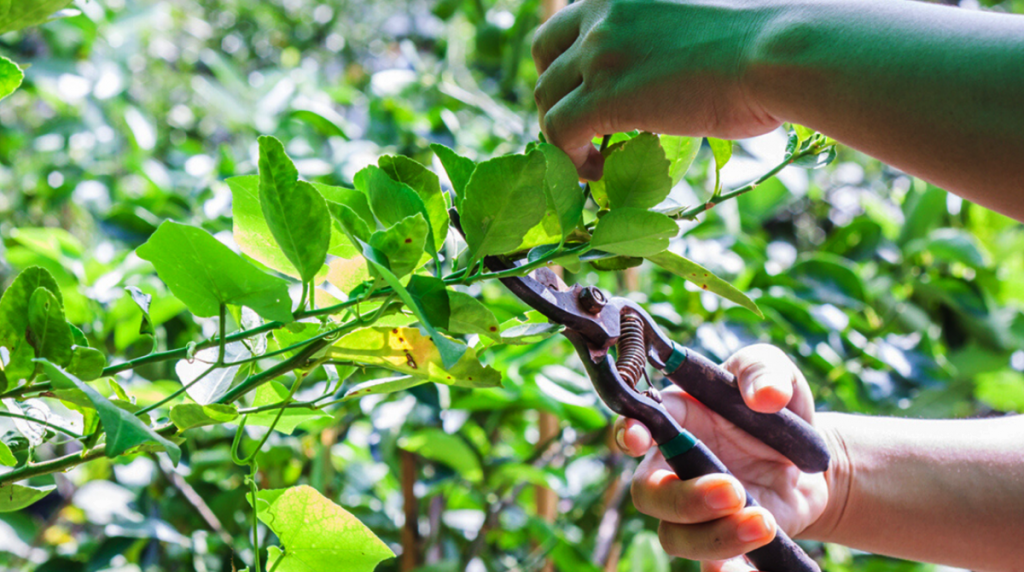
The answer depends on how far the decline has progressed and what is causing it. In many cases, early intervention can turn things around. Deep root fertilization replenishes depleted nutrients and improves soil biology. Targeted fungicide treatments can halt the spread of diseases like oak wilt if caught in the early stages. Structural pruning removes dead and diseased wood, redirecting the tree’s energy toward healthy growth. Soil aeration and amendment work to break up compacted North Texas clay, giving roots the oxygen and drainage they need.
However, some situations are beyond recovery. When more than half the canopy is dead, when major structural roots have failed, or when internal decay has hollowed out the trunk, removal may be the safest option. The key is acting before you reach that point. If you are asking “is my tree dead or alive?”, the sooner you get a professional assessment, the more options you will have.
When to Call an ISA Certified Arborist vs. When to Remove
Not every sign of decline means your tree is doomed. Many of the signs of a dying tree listed above can also appear in trees that are stressed but recoverable. That is exactly why a professional evaluation matters. An ISA Certified Arborist can determine whether the issue is treatable or whether the tree has become a liability.
Call an arborist when you notice any of the warning signs above, especially if multiple signs are present at the same time. You should also call if a tree is near your home, driveway, fence line, or any area where a failure would cause damage or injury. Safety is always the top priority.
Removal becomes the right call when the tree poses an imminent risk of falling, when structural damage is too severe to manage, or when disease has progressed beyond treatment. TreeNewal offers free consultations so you can understand your options before making a decision. Our ISA Certified Arborists will inspect the tree, explain what they find, and give you an honest recommendation.
Species-Specific Guides for DFW Trees
Different tree species show decline in different ways. If you are concerned about a specific tree in your yard, these guides go deeper into species-level diagnosis:
- How to Save a Dying Crepe Myrtle Tree
- Why Is My Maple Tree Dying?
- Why Is My Lacebark Elm Tree Dying?
Protect Your Trees Before It Is Too Late
A dying tree does not have to become a safety hazard or an expensive emergency. When you know what to look for and act quickly, you give your tree the best chance at recovery. TreeNewal’s ISA Certified Arborists serve homeowners across Southlake, Keller, Colleyville, Grapevine, Flower Mound, Trophy Club, Roanoke, Argyle, North Richland Hills, Denton, Fort Worth, and Dallas.
Call us at 469-754-9014 or visit treenewal.com to schedule a free consultation today.
Frequently Asked Questions
How can I tell if my tree is dead or just dormant?
Use the snap test. Bend a small branch. If it is pliable and shows green tissue inside, the tree is alive. If it snaps cleanly and the interior is dry and brown, that branch is dead. During winter dormancy, healthy deciduous trees still have flexible branches with visible buds. If spring arrives and no new growth appears, the tree may be dead.
Can a tree with mushrooms growing on it be saved?
It depends on the extent of the internal decay. Mushrooms and conks on the trunk or base mean fungal organisms are actively decomposing the wood inside. In some cases, the decay is limited and the tree can be managed. In others, structural integrity is too compromised for the tree to remain safely standing. An ISA Certified Arborist can evaluate the decay and recommend next steps.
How quickly should I act if I notice signs of a dying tree?
As soon as possible. Tree decline is progressive, and the earlier you address the problem, the more treatment options are available. A sudden lean or large falling branches warrant an immediate call because they represent safety hazards.
Does TreeNewal offer free tree assessments?
Yes. TreeNewal provides free consultations for homeowners in the Dallas-Fort Worth area. Our ISA Certified Arborists will inspect your tree, diagnose the issue, and provide a clear recommendation. Call 469-754-9014 or visit treenewal.com to schedule.
You May Also Like