Date December 11, 2025
Category
Most Dallas-Fort Worth homeowners associate tree diseases with the warm, humid months when fungal growth flourishes and insect vectors are most active. But winter is far from a disease-free season for North Texas trees. In fact, several of the most destructive tree diseases in our region are either actively spreading, newly visible, or best addressed during the colder months. December, with its bare canopies and dormant growth, offers a critical window for detection, diagnosis, and treatment planning.
Whether you’re in Plano, Southlake, Arlington, or Fort Worth, understanding the tree diseases that affect your landscape during winter can mean the difference between early intervention and costly tree removal. Here’s what every Dallas homeowner should watch for — and what you can do about it.
Why Winter Tree Disease Detection Matters in Dallas
Bare Canopies Expose Hidden Problems
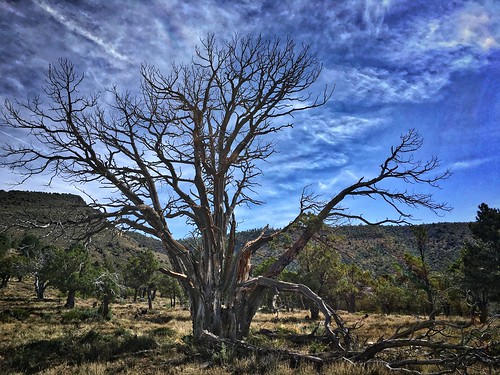
When deciduous trees like red oaks, cedar elms, and pecans drop their leaves, their branch structure is fully exposed. This reveals signs of disease that are invisible during the growing season: cankers on bark, fungal conks (shelf-like fruiting bodies) growing from trunks and branches, abnormal bark discoloration, and patterns of dieback that indicate systemic infection. For ISA Certified Arborists, winter is often the most diagnostic season — the tree’s architecture tells a story that foliage would otherwise conceal.
Planning Treatment During Dormancy Saves Trees
Many tree diseases require treatment that’s most effective when applied before spring growth begins. Dormant oil sprays, fungicide injections, and surgical removal of infected wood are all best performed during winter when the tree’s metabolic activity is low and pathogen pressure is reduced. December is the planning and early intervention window — waiting until you notice problems in May or June often means the disease has progressed beyond effective treatment.
Hypoxylon Canker: The Silent Killer of Stressed Trees
What Is Hypoxylon Canker?
Hypoxylon canker is caused by the fungus Biscogniauxia atropunctata (formerly Hypoxylon atropunctatum), and it is one of the most common causes of tree death in the Dallas-Fort Worth area. This opportunistic pathogen is present on the bark of virtually every hardwood tree in North Texas, lying dormant and waiting for the tree’s defenses to weaken. When a tree is stressed — by drought, root damage, construction activity, compacted soil, or extreme weather — the fungus activates and begins colonizing the sapwood beneath the bark.
Why Winter Makes Hypoxylon More Visible
Hypoxylon canker becomes dramatically visible in winter as infected trees shed large sections of bark, revealing the distinctive powdery spore layer beneath. In its early stages, this layer appears tan or olive-brown, eventually darkening to charcoal gray or black as the fungus matures. On bare winter trees, these dark, crusty patches stand out against the lighter inner bark and are impossible to miss during a property walk-through.
If you notice sections of bark peeling away to reveal dark, powdery or crusty material on any of your oaks, elms, or pecans, the tree is likely in advanced decline. Hypoxylon canker has no cure — once the fungus is actively producing spores, the tree’s vascular system is already compromised beyond recovery. However, early detection allows ISA Certified Arborists to assess whether the tree poses a fall risk and to plan safe removal before it becomes an emergency.
Prevention Is the Only Defense
Because Hypoxylon cannot be treated once active, prevention centers on keeping trees healthy and reducing stress. Proper watering during Dallas’s hot, dry summers, avoiding soil compaction around root zones, mulching to regulate soil temperature and moisture, and protecting trees from construction damage all help maintain the natural defenses that keep Hypoxylon in check. An annual health assessment by an ISA Certified Arborist can identify early stress indicators before the fungus gains a foothold.
Oak Wilt: Why Winter Is the Critical Pruning and Planning Window
Understanding Oak Wilt in North Texas
Oak wilt, caused by the fungus Ceratocystis fagacearum, is one of the most destructive tree diseases in Texas. It has killed millions of oaks statewide, and the Dallas-Fort Worth region is firmly within the affected zone. Red oaks (including Shumard oak and Texas red oak) are extremely susceptible and typically die within weeks to months of infection. Live oaks, while more resilient, can still succumb to the disease and spread it through interconnected root systems, creating expanding pockets of mortality across neighborhoods in Grapevine, Flower Mound, Frisco, and throughout DFW.
The Winter Pruning Window
Oak wilt spreads in two primary ways: through root grafts between neighboring trees and through insect vectors — specifically nitidulid beetles that are attracted to fresh pruning wounds and fungal spore mats. These beetles are most active during warm months, roughly February through June in the Dallas area. This makes winter — particularly December and January — the safest window for pruning oaks.
The Texas A&M Forest Service recommends that if oaks must be pruned outside the lowest-risk winter window, all cuts should be immediately sealed with pruning paint. During December, however, the beetle activity is negligible, and the risk of inadvertently spreading oak wilt through pruning is at its annual lowest. For homeowners with valuable oaks on their property, scheduling pruning now isn’t just good practice — it’s an essential disease prevention strategy.
Winter Planning for Oak Wilt Treatment
If oak wilt has been identified on or near your property, December is the time to develop a treatment plan with an ISA Certified Arborist. Strategies may include trenching to sever root connections between infected and healthy trees, fungicide injections (propiconazole) for high-value live oaks that haven’t yet shown symptoms, and removal of confirmed red oak casualties to reduce spore mat formation. These interventions are most effective when planned during dormancy and executed before the spring transmission season begins.
Bacterial Leaf Scorch: A Disease You Diagnose in Summer but Treat in Winter
What Is Bacterial Leaf Scorch?
Bacterial leaf scorch (BLS) is caused by the bacterium Xylella fastidiosa, which colonizes the xylem (water-conducting vessels) of trees and gradually restricts water flow to the leaves. Symptoms — browning leaf margins that progress inward, often with a yellow or reddish border — appear in late summer and fall. The pattern mimics drought stress, which leads many Dallas homeowners to dismiss it as a watering issue.
Why Winter Is the Treatment Window
While BLS symptoms are visible in summer, the disease itself progresses through all seasons. Winter is when treatment decisions must be made. Antibiotic injections (typically oxytetracycline) can suppress the bacterial population and extend the life of infected trees by years or even decades. These treatments are most effective when administered in fall or early winter before the tree enters full dormancy, but December consultations allow ISA Certified Arborists to develop a treatment schedule for the coming year.
BLS is chronic and currently incurable, but proactive management can preserve valuable shade trees for many additional years. Species commonly affected in Dallas-Fort Worth include red oaks (especially Shumard oak), American elms, sycamores, and mulberries. If you noticed unusual leaf browning patterns last summer, December is the time to request a professional evaluation and laboratory testing to confirm whether BLS is the cause.
Fungal Diseases and Winter Moisture in Dallas
Root Rot and Saturated Soils
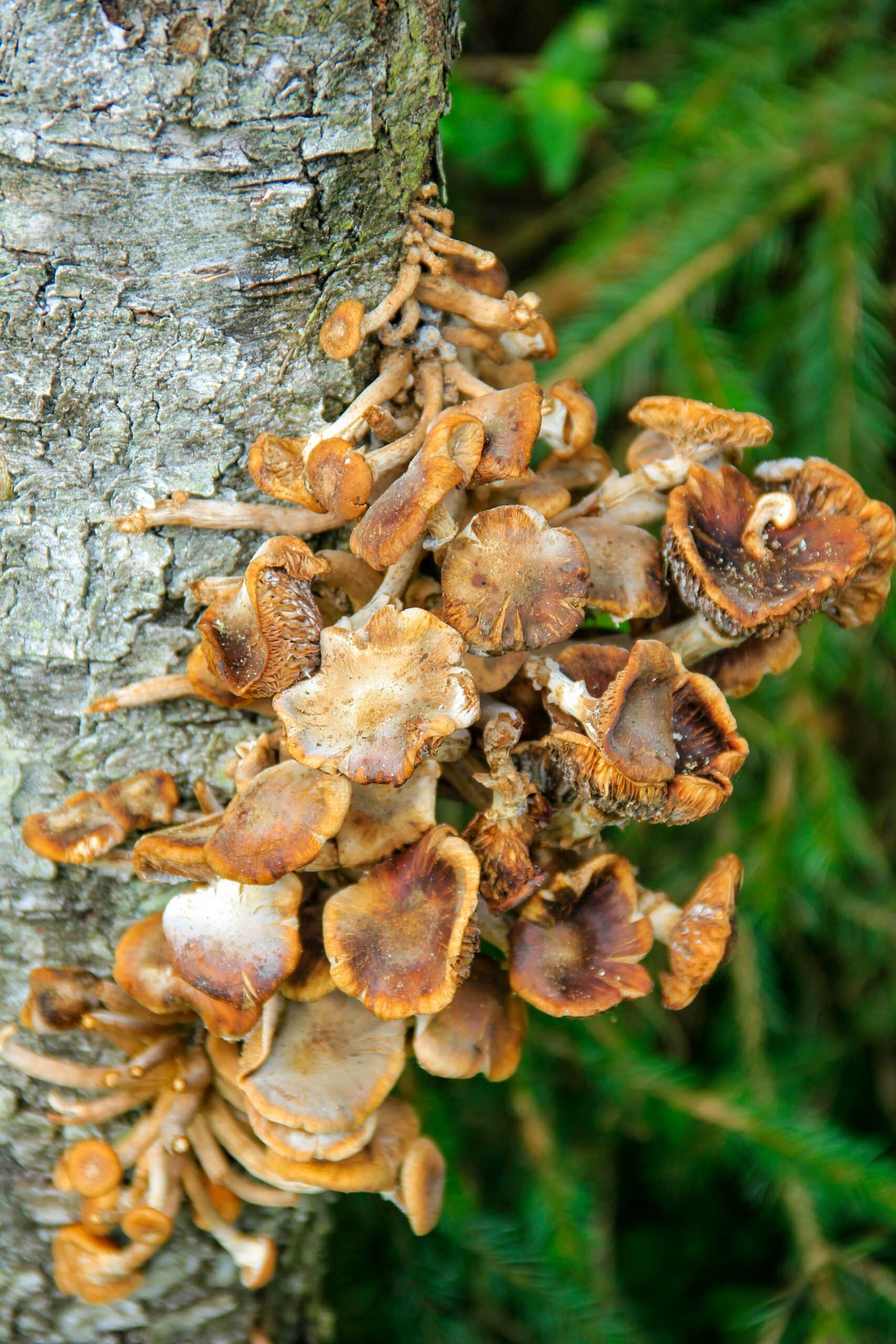
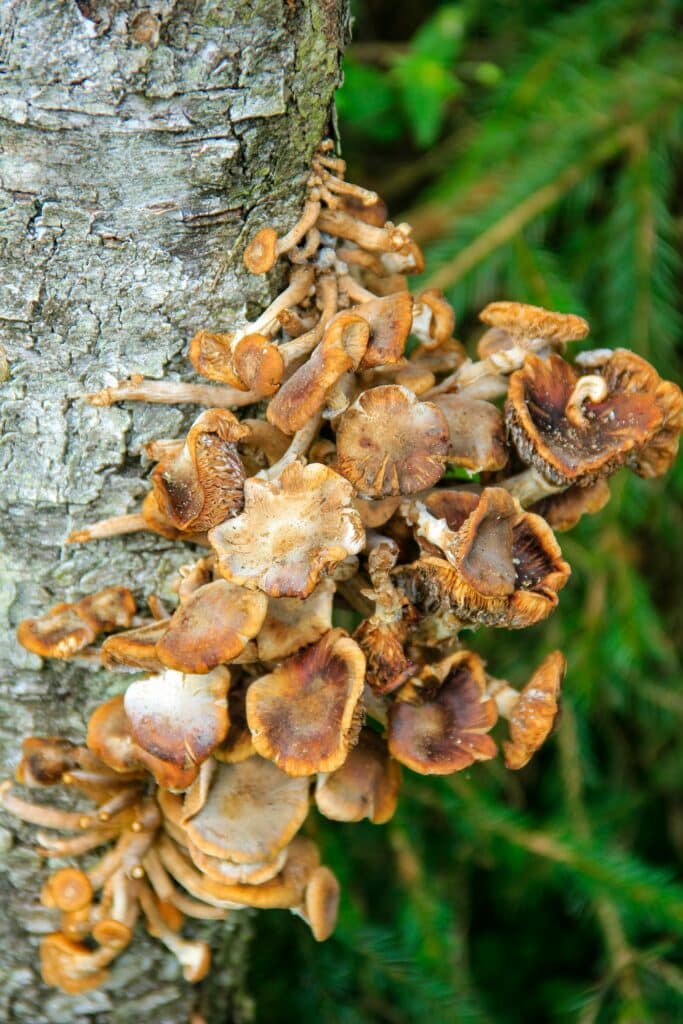
Dallas-Fort Worth’s clay-heavy soils drain poorly, and winter rains can create persistently saturated conditions around tree roots. This environment favors root rot pathogens, including Phytophthora species and Armillaria mellea (honey fungus). Trees affected by root rot may show subtle above-ground symptoms during winter, including premature leaf drop in fall, thinning canopies, fungal mushrooms growing at the base of the tree, and a general decline in vigor compared to previous years.
Root rot is insidious because by the time above-ground symptoms are obvious, significant root loss has already occurred. December inspections can catch early indicators — particularly the presence of mushroom clusters at the tree’s base after rain events. If you spot mushrooms growing from the root flare or lower trunk of any tree on your property in Plano, Arlington, Southlake, or anywhere across DFW, contact an ISA Certified Arborist for evaluation. Not all mushrooms indicate root rot, but those that do signal a potentially serious structural compromise.
Canker Diseases in Winter
Beyond Hypoxylon, several other canker-forming fungi are active or visible during winter in North Texas. Botryosphaeria canker affects a wide range of species including crape myrtles, oaks, and elms. These cankers appear as sunken, discolored areas on branches and trunks, often with cracked or peeling bark. Winter’s bare canopies make these abnormalities easier to spot during routine property inspections.
ISA Certified Arborists can determine whether cankers are active or dormant and recommend appropriate action — which may range from targeted pruning of affected branches to monitoring and stress reduction strategies for the whole tree. Early detection prevents cankers from girdling branches or trunks, which would lead to structural failure.
Sooty Mold and Scale Insects
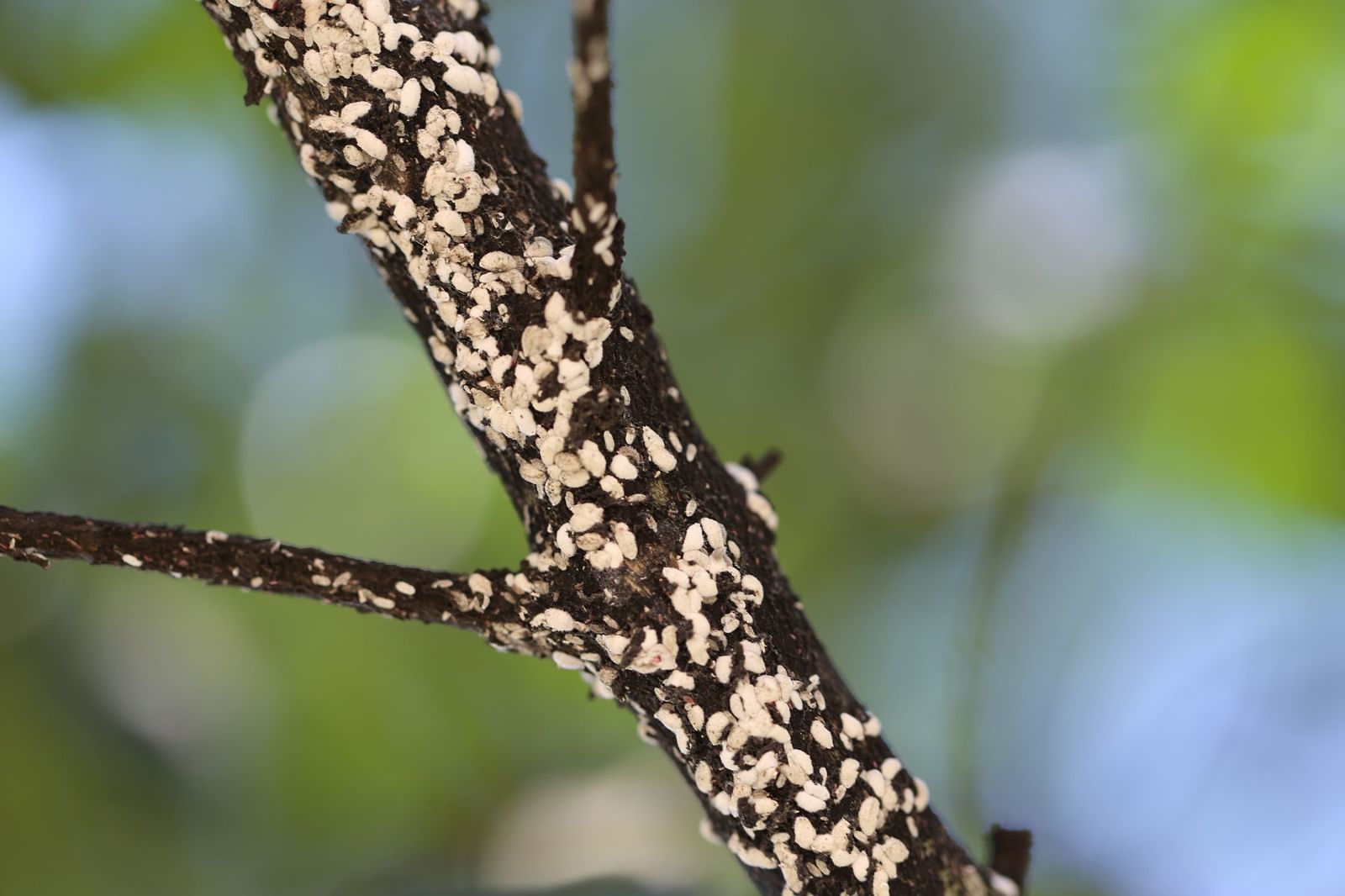
While sooty mold itself is a cosmetic fungal issue rather than a true disease, its presence during winter often indicates an underlying insect infestation — typically scale insects or aphids that secrete honeydew. On evergreen species like live oaks and hollies, black sooty mold coating the leaves during winter suggests that scale populations went unchecked during the previous growing season. December is a good time to apply dormant oil treatments that suffocate overwintering scale insects, reducing both the pest population and the sooty mold problem for the coming year.
What to Look For: A Winter Tree Disease Checklist for Dallas Homeowners
You don’t need to be an arborist to spot warning signs during your regular winter property maintenance. Here’s what to look for as you walk your DFW property this December:
- Peeling bark with dark, powdery material underneath: Likely Hypoxylon canker — the tree may need removal.
- Shelf-like fungal growths (conks) on trunk or major branches: Indicates internal decay and potential structural hazard.
- Mushrooms at the base of the tree: May indicate root rot — schedule a professional evaluation.
- Sunken or discolored patches on bark: Possible canker disease — have it assessed before spring.
- Sections of dead branches in the upper canopy: Could indicate vascular disease, root problems, or progressive decline.
- Black coating on evergreen leaves: Sooty mold from insect activity — dormant oil treatment may be appropriate.
- Trees that dropped leaves much earlier than neighbors of the same species: Often a sign of root disease or bacterial leaf scorch.
If you observe any of these signs, documenting them with photos and noting the tree species and location on your property will help your arborist make an efficient assessment.
Why Professional Tree Disease Diagnosis and Treatment in Dallas Matters
Tree diseases often mimic each other and overlap with environmental stress symptoms. Drought stress, nutrient deficiency, herbicide damage, and root compaction can all produce symptoms similar to infectious disease. Accurate diagnosis requires expertise in pathology, local species behavior, site assessment, and sometimes laboratory confirmation. ISA Certified Arborists are trained to differentiate between these causes and recommend targeted, effective treatments rather than guesswork.
In the Dallas-Fort Worth area, soil conditions, microclimate variations between neighborhoods, and the specific mix of tree species on each property all influence disease risk. A tree that’s thriving in well-drained sandy loam in Frisco may struggle with root rot in the heavy clay soils of Arlington. Localized knowledge matters, and that’s what professional arborists bring to every evaluation.
Protect Your Trees This Winter — Contact TreeNewal
December is not a month to assume your trees are fine just because they look dormant. Many of the most serious tree diseases in Dallas-Fort Worth are either actively progressing, newly detectable, or best addressed during this exact window. Early intervention saves trees, protects property, and avoids the significantly higher costs of emergency removal and replacement.
TreeNewal’s ISA Certified Arborists provide comprehensive tree health assessments, disease diagnosis, and treatment planning for homeowners and commercial properties throughout the Dallas-Fort Worth metroplex — including Southlake, Grapevine, Flower Mound, Plano, Frisco, Arlington, and Fort Worth. We understand the specific diseases, soil types, and climate factors that affect North Texas trees, and we bring that knowledge to every consultation.
Don’t wait for spring to discover a problem that could have been caught now. Call TreeNewal at (817) 329-2450 to schedule your winter tree health evaluation today.
You May Also Like