Date March 01, 2026
Category
As temperatures climb into the mid-60s across Dallas-Fort Worth and trees begin leafing out, many homeowners grab their pruning shears and start shaping their landscape. Spring seems like the perfect time — everything is growing and you can finally see what survived winter. But here is a truth many North Texas homeowners do not realize: spring is actually one of the worst times to do heavy pruning on most tree species, and for oaks specifically, it can be deadly.
In this guide, our team at TreeNewal breaks down what you should and should not prune this spring, proper techniques, and when it is time to call a professional.
Why Spring Is Not the Best Time for Heavy Tree Pruning in Dallas
One of the most persistent myths in tree care is that spring is the ideal pruning season. When trees break dormancy in March and April across North Texas, they channel enormous stored energy into producing new leaves, flowers, and extending root systems. Heavy pruning during this critical phase forces the tree to redirect energy toward wound closure, robbing it of resources needed for healthy spring growth.
The ideal window for major structural pruning on most deciduous trees in the DFW area is late winter dormancy — typically January through mid-February. During dormancy, you can see branch structure clearly, the tree is not actively growing, and disease-carrying insects are inactive. By the time March rolls around in Plano, Frisco, Southlake, and across the Metroplex, that optimal window has closed.
The Risk of Disease Transmission in Spring
Spring pruning creates fresh wounds at precisely the time when disease-carrying insects and fungal spores are most active. In warm, humid Dallas-Fort Worth spring conditions, pathogens can colonize fresh cuts within hours. This risk is compounded by spring storms that cause additional branch breakage. Adding unnecessary pruning wounds on top of storm damage opens multiple doors for pathogens.
Oak Wilt Alert: Never Prune Oaks in Spring in Dallas-Fort Worth
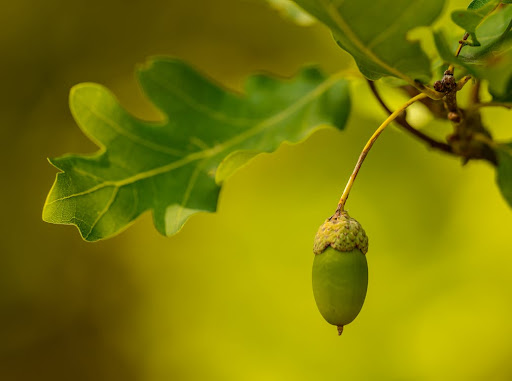
If there is one spring tree pruning rule every Dallas-Fort Worth homeowner should memorize, it is this: do not prune oak trees from February through June. Oak wilt, caused by the fungus Bretziella fagacearum, is one of the most devastating tree diseases in Texas and has been steadily spreading across North Texas communities including Arlington, Grapevine, Flower Mound, and beyond.
The nitidulid beetles that carry oak wilt fungal spores are most active during the warm spring months. These tiny beetles are attracted to fresh wounds on oak trees, including pruning cuts. When they deposit oak wilt spores into a fresh cut, the fungus can infiltrate the tree’s vascular system and kill it within weeks. Red oaks, including Shumard oaks that are extremely popular in DFW landscapes, are particularly vulnerable and can die within just a few weeks of infection.
What to Do If an Oak Branch Breaks in a Spring Storm
Spring storms with high winds are common across Dallas-Fort Worth, and sometimes oak branches break regardless of your best efforts. If storm damage occurs, immediately paint the wound with pruning seal or even latex paint to prevent beetle access. This is not standard practice for other species or other times of year, but for oaks during spring, wound sealing is critical. Contact a professional tree care service like TreeNewal as soon as possible to assess the damage and ensure proper treatment.
What You Can Safely Prune in Spring in North Texas
While heavy structural pruning is off the table for most species in March and April, several types of spring tree pruning in Dallas are not only safe but beneficial.
Dead Wood Removal — Any Time, Any Season
Removing dead, diseased, or broken branches is always appropriate, regardless of season. Dead wood does not have living tissue that needs to heal, so there is no energy cost to the tree. Removing dead branches also reduces the risk of them falling during North Texas spring storms, eliminates pest habitat, and prevents disease from spreading into healthy tissue. Walk your property in early March and identify dead branches — they are easy to spot as the rest of the tree leafs out while dead limbs remain bare.
Spring-Flowering Trees — Prune After They Bloom
Trees that flower in spring, such as redbuds, dogwoods, and flowering crabapples, set their flower buds on the previous year’s growth. If you prune before they bloom, you cut off this year’s flowers. The correct approach is to prune these species immediately after their flowers fade, typically in late March through April in the DFW area. This gives them the full growing season to produce new wood that will carry next spring’s blooms.
Light Shaping and Thinning
Minor cosmetic pruning — removing suckers at the base of trees, trimming water sprouts growing vertically from branches, and light thinning of crowded interior branches — is generally safe in spring for non-oak species. The key word is light. Never remove more than ten to fifteen percent of a tree’s canopy in a single spring pruning session. Keep cuts small, under two inches in diameter when possible, and focus on improving air circulation rather than making major structural changes.
Proper Spring Pruning Techniques for Dallas Trees
When you do prune in spring, technique matters enormously. Improper cuts cause decay, pest entry, and structural weakness over time.
The Three-Cut Method for Larger Branches
For branches larger than an inch and a half in diameter, use the three-cut method to prevent bark tearing. First, make an undercut about twelve to eighteen inches from the trunk, cutting upward one-third through the branch. Second, make a top cut slightly farther from the trunk — the branch will snap cleanly at the undercut. Third, make your final cut just outside the branch collar, that slightly swollen area where the branch meets the trunk. Never cut flush with the trunk, as this destroys the tissue the tree needs to seal the wound.
Tools and Sanitation
Sharp, clean tools make cleaner cuts that heal faster. Before each pruning session and between each tree, disinfect your tools with seventy percent isopropyl alcohol or a ten percent bleach solution. This is especially important in spring when disease transmission risk is elevated. Dull tools crush and tear tissue rather than making clean cuts, so sharpen hand pruners and loppers before heading into the yard.
Common Pruning Mistakes to Avoid
Avoid topping trees at all costs. Topping — cutting main branches back to stubs — is one of the most harmful things you can do to a tree. It triggers a flush of weakly attached water sprouts, ruins the tree’s natural form, and creates massive wounds that may never close. Also avoid lion-tailing, which strips all interior branches while leaving only growth at the tips. This shifts weight to branch ends, making them more likely to fail during the high winds that North Texas frequently experiences in spring.
How Spring Pruning Differs from Winter Pruning in North Texas
Understanding this distinction helps you plan your annual tree maintenance for your Fort Worth, Plano, or Southlake property. Winter is your opportunity for major structural work: removing large limbs, correcting poor architecture, and reducing canopy size. Dormant trees tolerate heavy work better, and disease risk is minimal.
Spring pruning should be limited to maintenance: deadwood removal, post-bloom pruning of flowering trees, light shaping, and addressing safety hazards. Think of winter as your renovation season and spring as your touch-up season. This approach keeps trees healthier, reduces disease risk, and produces better long-term structural integrity.
When to Call a Professional Tree Service in Dallas-Fort Worth
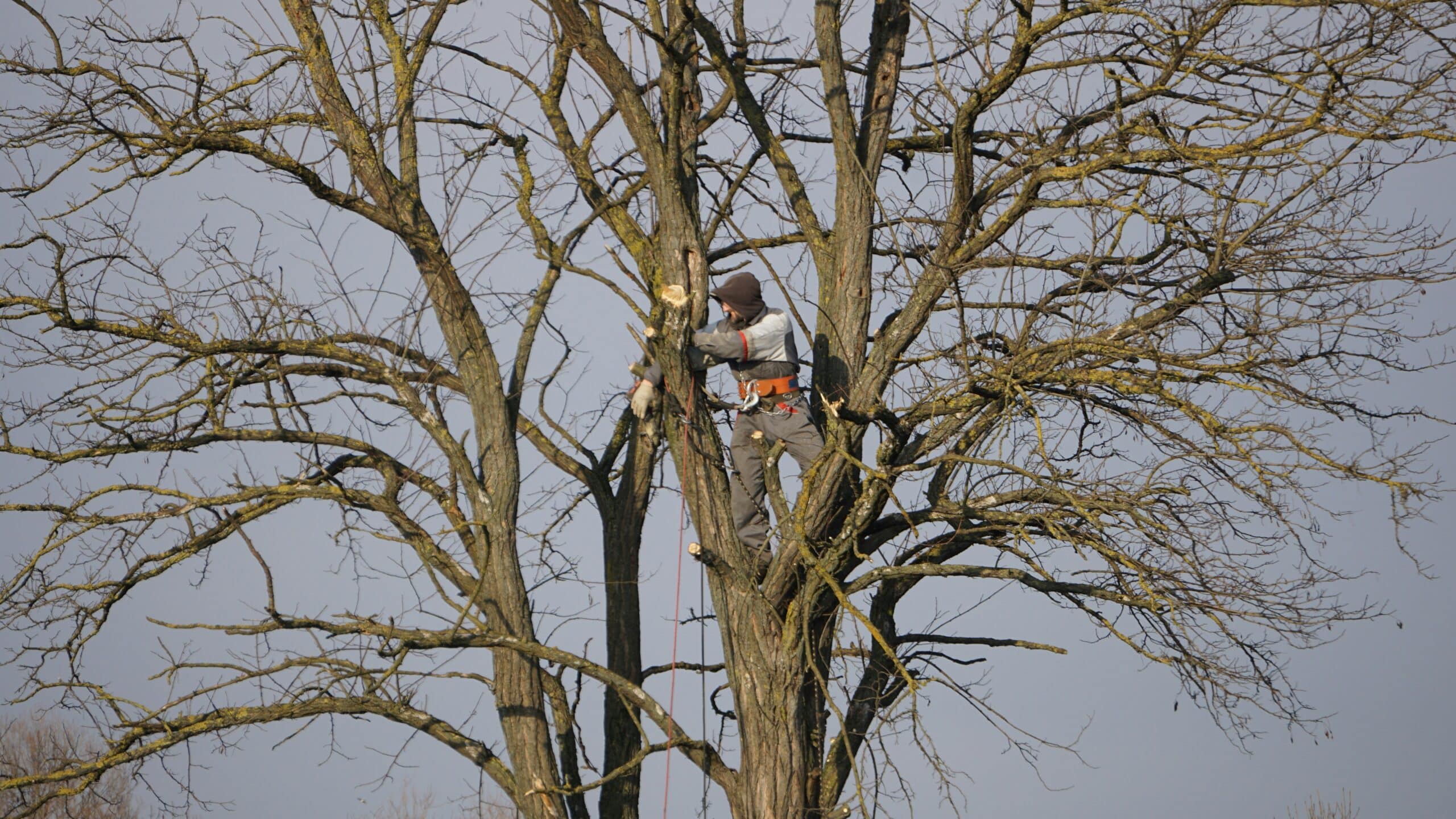
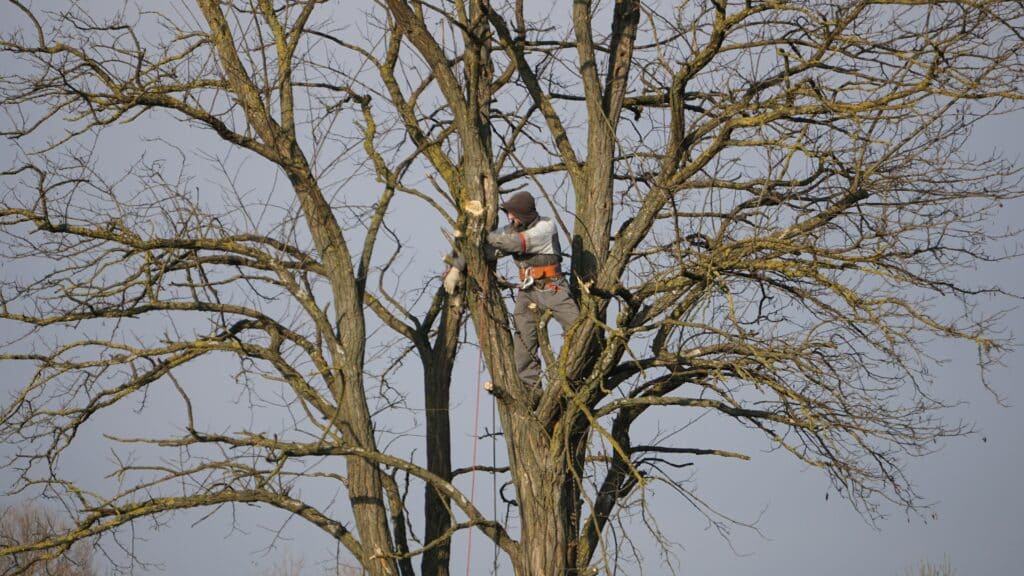
While homeowners can handle minor pruning with hand tools, many spring situations call for professional expertise. If the work involves branches beyond ground reach, call a professional — climbing trees or leaning a ladder against a tree is extremely dangerous. Professional arborists use specialized climbing equipment, rigging, and aerial lifts for safe work at height.
If you suspect disease or are unsure whether a tree is healthy enough to prune, contact an ISA Certified Arborist before making any cuts. Any pruning near power lines should be handled exclusively by professionals. And if large oaks sustain storm damage during spring, the combination of oak wilt risk and structural complexity makes this a job for ISA Certified Arborists who understand spring oak protocols.
Plan Your Spring Tree Care with TreeNewal Today
Spring in Dallas-Fort Worth is a beautiful but tricky time for tree care. By understanding what to prune, what to leave alone, and how to make proper cuts, you protect your landscape investment and keep your trees healthy for decades. Remember: skip the oaks entirely until summer, keep spring pruning light, and always prioritize deadwood removal and safety hazards.
If you are unsure about the best approach for your specific trees, TreeNewal’s team of ISA Certified Arborists is here to help homeowners across Dallas-Fort Worth, from Southlake and Grapevine to Frisco and Arlington. We provide expert pruning services, thorough tree health assessments, and personalized care plans tailored to your property. Call us today at (817) 329-2450 or visit treenewal.com to schedule your spring tree care consultation. Your trees will thank you.
You May Also Like