Date April 15, 2025
Category
While pruning might seem like a basic landscape chore, doing it improperly can harm your trees and leave them vulnerable to disease and storm damage. When done correctly, pruning can promote healthy growth, enhance curb appeal, and minimize safety hazards. Whether you’re maintaining a home landscape or managing a commercial property, understanding the fundamentals of proper tree pruning is essential.
Why Is Tree Pruning Important?
Pruning goes far beyond making trees look good. Strategic trimming plays a critical role in tree health and landscape safety. By removing dead or diseased limbs, a tree can redirect nutrients to healthier areas, improving growth and reducing the risk of fungal infections. Increased sunlight and airflow also discourage disease and decay.
In addition to health benefits, pruning can prevent property damage. Overgrown and unstable limbs are dangerous, especially during storms. Removing hazardous branches helps reduce the risk of falling limbs that could injure someone or damage a building, vehicle, or power line.
Another reason pruning is so essential is to manage and correct uneven growth. Without intervention, trees may develop low-hanging or awkwardly placed limbs that interfere with lawn maintenance, pathways, and views. Pruning addresses these issues before they become bigger problems.
What Is Tree Pruning?
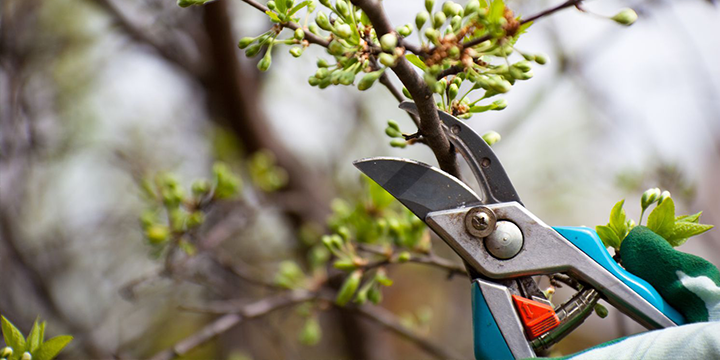
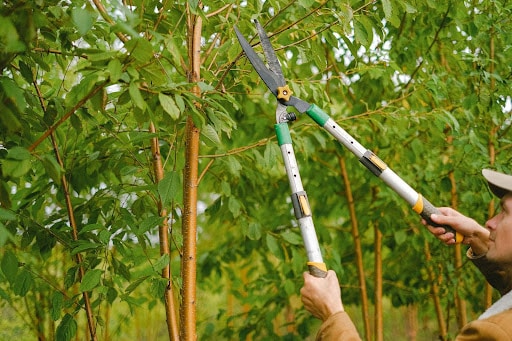
Tree pruning is the process of selectively removing specific branches to improve the tree’s structure, health, and appearance. Depending on the tree’s needs, pruning can range from light trimming to more advanced structural adjustments.
It’s not just about cutting limbs randomly—precision and a solid understanding of tree biology are required. Cutting too much can stress a tree, while cutting too little might not address the issue. That’s why many property owners rely on ISA-certified arborists who understand how to prune for long-term health and stability.
Types of Tree Pruning Techniques
ISA Certified Arborists use a variety of specialized pruning techniques tailored to the needs of each tree. Some of the most common methods include:
- Crown Cleaning
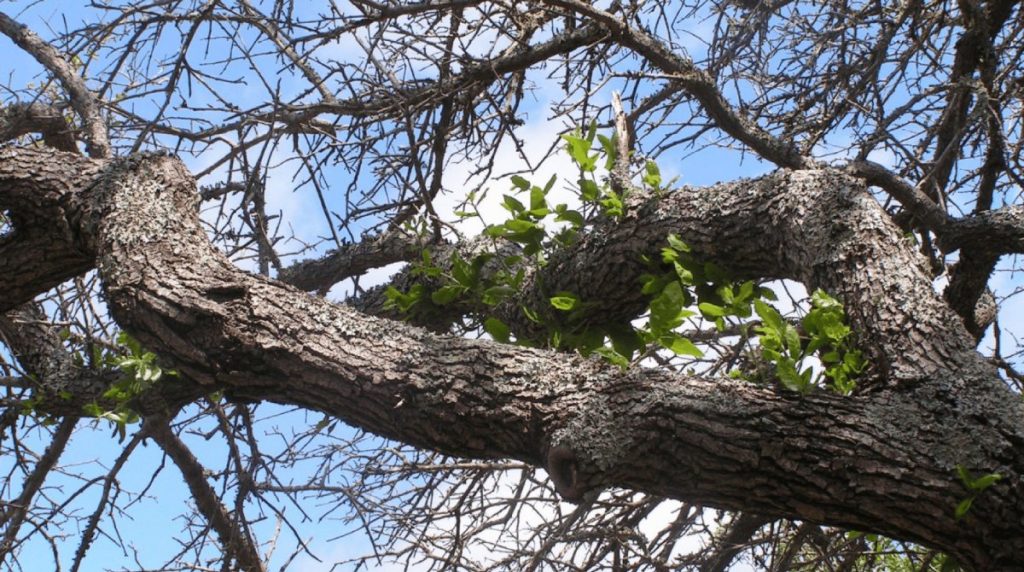
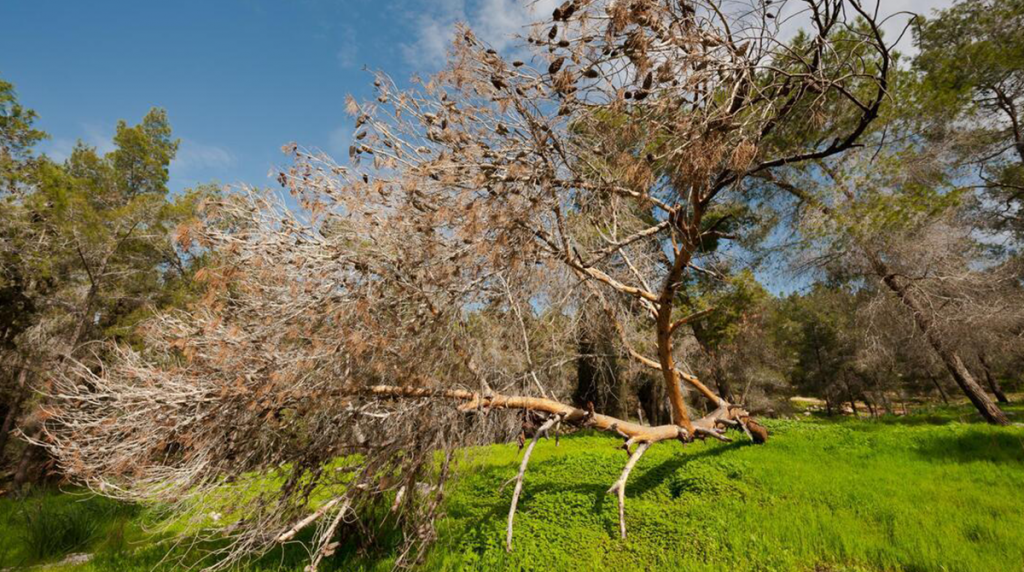
Crown cleaning is the process of removing dead, diseased, dying, or broken branches from a tree’s canopy. This is often the first step in pruning and is essential for overall tree health. By eliminating these nonproductive or hazardous limbs, the tree can redirect its energy and resources to healthy, thriving branches. This improves structural integrity, reduces the risk of falling limbs, and minimizes the chance of disease spreading through decaying wood. Crown cleaning is recommended for both routine maintenance and after storm damage to reduce potential hazards. - Crown Thinning
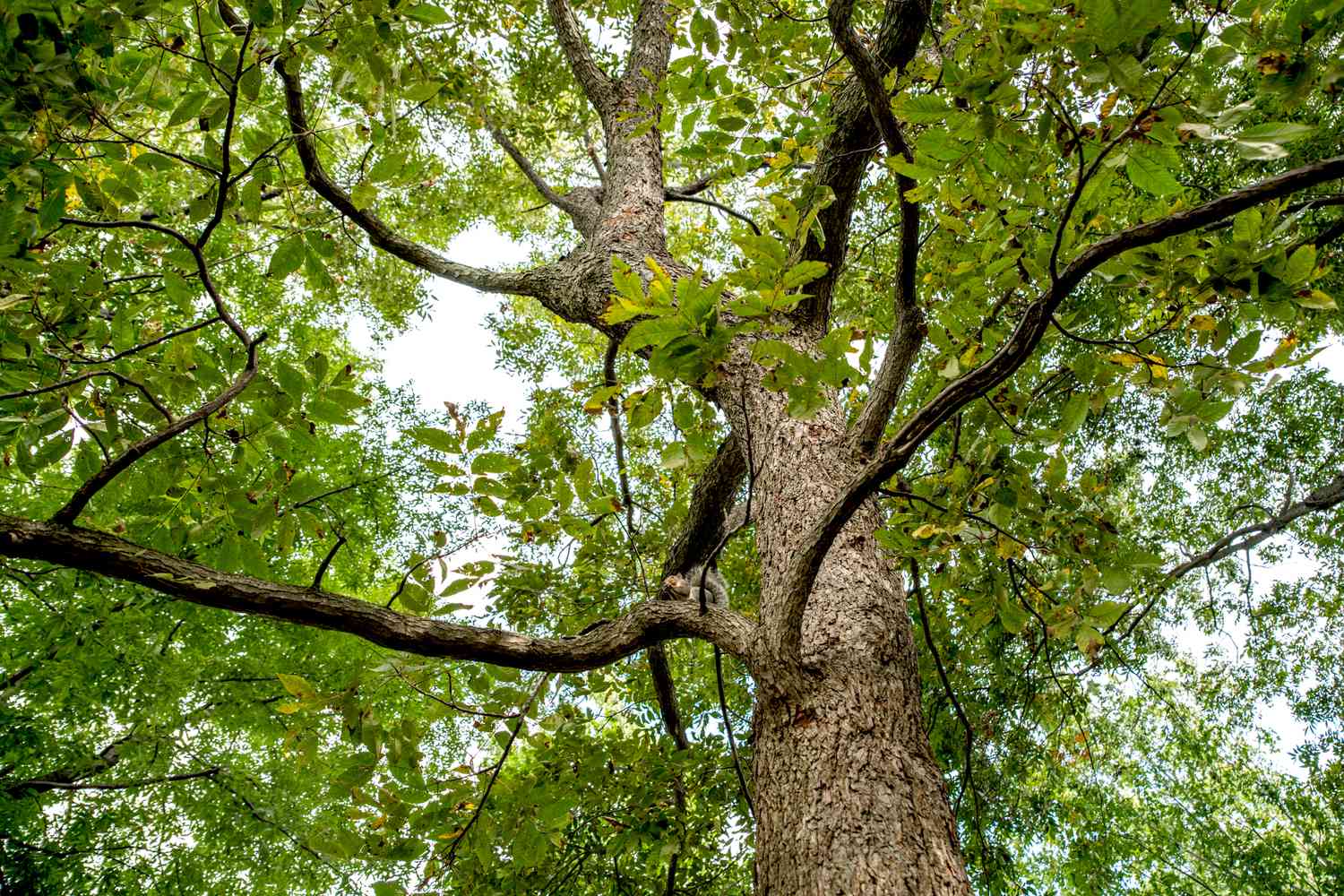
Crown thinning focuses on selectively removing inner branches within a dense canopy to allow better air movement and sunlight penetration throughout the tree. This technique is especially useful for species that are prone to developing thick foliage. Thinning enhances the tree’s ability to photosynthesize more efficiently and reduces weight stress on larger limbs. Improved airflow lowers the likelihood of fungal infections and helps the tree better withstand wind and storm pressure. Thinning also opens up sightlines, which is helpful in urban and suburban settings. - Crown Raising
Crown raising involves removing the lower branches of a tree to provide vertical clearance for pedestrians, vehicles, structures, and views. This method is commonly used along driveways, sidewalks, roadways, and near signage. In addition to safety and accessibility, crown raising improves light exposure for grass and low-growing plants beneath the tree. However, it must be done carefully to avoid removing too much of the lower canopy at once, which could stress the tree or alter its natural balance. - Crown Reduction
When a tree becomes too large for its environment or begins to interfere with structures like roofs or power lines, crown reduction is a practical solution. This technique reduces the overall height and spread of the tree while maintaining its natural shape and minimizing stress. It is preferred over topping, which involves indiscriminate cutting and can lead to long-term damage. Crown reduction requires strategic cuts at the proper growth points to ensure the tree’s health and aesthetic appeal are preserved. - Structural Pruning
Structural pruning is essential for young, developing trees to ensure they grow with a strong, stable framework. Arborists use this technique to remove or shorten competing branches and encourage the growth of a single dominant leader. This reduces the risk of future defects such as weak limb attachments, multiple trunks, or unbalanced canopies. Starting structural pruning early in a tree’s life promotes healthy architecture, minimizes the need for corrective pruning later on, and reduces the chances of storm-related breakage. - Restorative Pruning
Trees that have been neglected, improperly pruned, or damaged over time benefit from restorative pruning. This method focuses on gradually correcting poor structure, removing excessive or poorly placed branches, and rejuvenating the tree’s natural form. Restorative pruning is often performed in stages to prevent further stress and give the tree time to recover between sessions. It’s ideal for revitalizing trees that are still structurally sound but aesthetically or functionally compromised due to past mismanagement. - Ornamental and Aesthetic Pruning
For trees that are used as focal points in a landscape, aesthetic pruning enhances their visual appeal while preserving their health. This technique involves making subtle, deliberate cuts to refine the tree’s form, symmetry, and proportions. Arborists carefully consider branch placement, overall balance, and the tree’s natural growth habit to create an elegant, polished appearance. This is commonly applied to ornamental species, bonsai trees, and specimen trees in formal gardens or high-visibility areas.
Best Time of Year to Prune Trees
The ideal timing for pruning depends on the type of tree and the desired outcome. Here’s a seasonal guide to help you plan:
- Winter (Late Dormant Season)
Winter is widely regarded as the best time to prune most tree species. During the late dormant season—typically January through February—trees have shed their leaves, making it easier for arborists to inspect the overall structure, identify problematic limbs, and make precise cuts. Without active growth, trees are less susceptible to pruning-related stress and disease. This is especially beneficial for structural pruning of shade trees, young trees, and fruit-bearing trees, as it encourages vigorous new growth in the spring. Pruning in winter also reduces the risk of insect infestations and fungal infections, which are less active in colder temperatures. - Spring
While early spring may seem like a good time to tidy up your landscape, it’s usually best to avoid heavy pruning during this period. Sap is actively rising, and cuts can cause excessive bleeding, which weakens the tree and makes it more prone to disease. However, light pruning is acceptable for flowering ornamental trees and early-blooming shrubs—just wait until after they finish blooming. This ensures you don’t remove buds before they have a chance to flower. Spring is also a good time for inspecting storm damage from winter and addressing any broken or hanging limbs. - Summer
Summer pruning serves a different purpose: growth control. Pruning during the active growing season slows down a tree’s growth by reducing its ability to photosynthesize. This makes summer the ideal time for maintaining the shape and size of trees that tend to grow aggressively. It’s particularly useful for fast-growing trees or those that have outgrown their space. Summer pruning also allows for better visibility of limb structure and can help correct minor issues before they become more serious. Be sure to avoid extremely hot days, which can further stress the tree. - Fall
Fall may feel like a good time to clean up your landscape, but it’s generally the least recommended season for pruning. As trees begin to go dormant, pruning can interfere with their natural hardening process and make them more vulnerable to decay and infection. Fungal spores are also more active in the fall, increasing the likelihood of disease transmission through fresh cuts. The only exception is when pruning is necessary for safety reasons—such as removing dead, broken, or hazardous limbs that pose an immediate risk to people, property, or power lines. In those cases, targeted pruning is appropriate and recommended.
How Pruning Supports Overall Landscape Health
Healthy, well-maintained trees are the cornerstone of a vibrant and balanced landscape. Pruning plays a crucial role in supporting this ecosystem by allowing trees to function more efficiently and harmoniously with their surroundings. When dead, damaged, or overcrowded branches are removed, the tree can redirect its energy toward healthy growth. This helps the tree absorb and utilize essential resources—like water, sunlight, and soil nutrients—more effectively, reducing waste and strain on the tree’s internal systems.
This improved resource allocation doesn’t just benefit the tree itself—it positively impacts the entire landscape. Surrounding plants, turf, and shrubs receive better access to light and nutrients, creating a more balanced and attractive environment. Pruning also helps reduce excessive shading caused by overgrown canopies, which can prevent grass and groundcover from thriving beneath the tree. With more light reaching the ground, the lawn becomes lusher, and ornamental plantings flourish.
Beyond aesthetics and efficiency, regular pruning strengthens a tree’s structure, reducing the likelihood of limb failure during storms and improving the overall safety of your outdoor space. It encourages healthier growth patterns, promotes longevity, and helps preserve the natural shape of the tree. Whether you’re aiming for visual appeal, a safer yard, or a more sustainable landscape, proper pruning is one of the most effective and valuable investments you can make in your property’s long-term health and beauty.
Trust the Experts for Tree Pruning
Tree pruning requires knowledge, precision, and experience. ISA-certified arborists understand how different tree species respond to pruning and apply proven techniques to ensure long-term health and stability. Whether you need minor aesthetic shaping or corrective structural pruning, TreeNewal is here to help.
Take the stress out of pruning and schedule a consultation with our team today. We offer expert care tailored to your landscape’s unique needs and are ready to provide guidance every step of the way.
Ready to Elevate the Health and Beauty of Your Trees?
Tree pruning is more than just cutting back branches—it’s a strategic investment in the long-term health, safety, and appearance of your landscape. From enhancing growth and preventing disease to reducing storm-related risks and supporting overall ecosystem health, proper pruning delivers a wide range of benefits. But getting it right takes expertise.
At TreeNewal, our ISA-certified arborists are trained in the latest pruning techniques and understand how to care for your trees with precision and purpose. Whether you need seasonal maintenance, structural pruning for young trees, or restorative care for older or neglected specimens, our team has the experience and passion to do it right.
Don’t leave your trees vulnerable to damage or decline. Trust the experts at TreeNewal to keep your landscape thriving year-round.
Schedule your consultation today and discover the difference professional pruning can make.
You May Also Like