Date September 03, 2025
Category
Introduction:
Commercial properties in cities like Dallas, TX, often feature beautiful landscaping to create an inviting and professional atmosphere. Trees play a major role in this, offering benefits like shade, cleaner air, and increased curb appeal. But while trees add value, they can also pose serious risks if not properly maintained.
Understanding the hazards associated with trees on commercial properties is essential for property owners, facility managers, and leasing companies. From falling limbs to legal liabilities, ignoring tree care can lead to dangerous—and costly—consequences.
This in-depth guide outlines what to look out for, why routine commercial tree care in Dallas and surrounding areas is crucial, and how partnering with an ISA Certified Arborist like TreeNewal can ensure safety, compliance, and landscape longevity.
Why Tree Care Is a Critical Concern for Commercial Properties
On a commercial property, trees are not just aesthetic—they’re assets. But like any asset, they require maintenance and monitoring to retain value and function. Trees that are neglected may suffer from disease, decay, or structural weakness that leads to potential hazards, including:
-
Falling limbs that can injure tenants, customers, or employees.
-
Roots that damage sidewalks, driveways, or foundations.
-
Dead trees that could fall during a storm.
-
Overgrowth that obstructs visibility, lighting, and signage.
In commercial settings, the stakes are higher. Hazards don’t just pose physical threats—they introduce legal and financial risks, too. TreeNewal’s certified arborists help business owners understand these risks and create proactive care plans.
Common Tree Hazards to Watch For
Whether you’re overseeing a retail park, office building, or industrial complex, staying alert to signs of tree distress is key to preventing disaster. Here are some of the most common and costly hazards you should be inspecting for:
1. Falling Branches and Trees
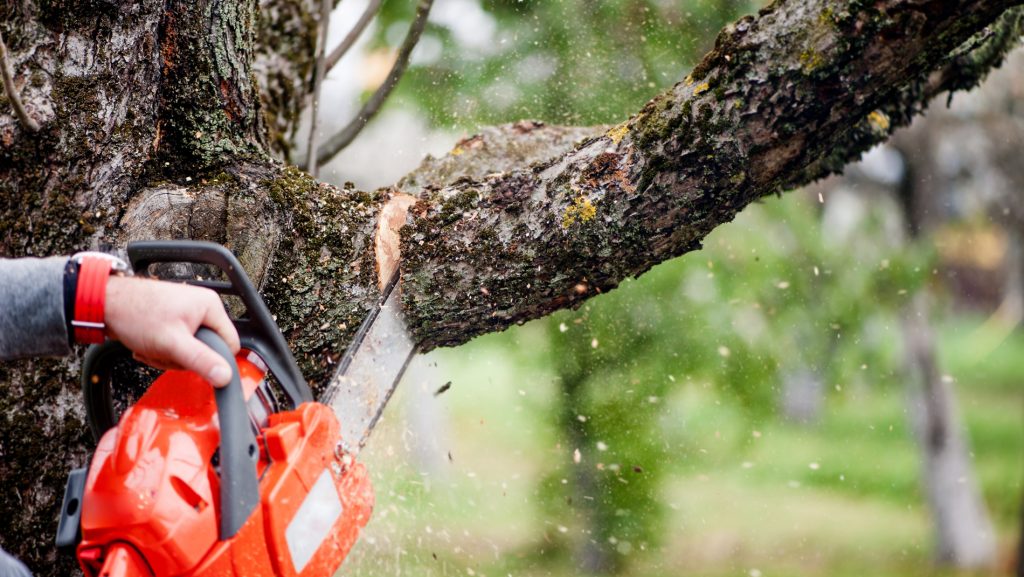
One of the most obvious and immediate threats on commercial properties is falling limbs or entire trees. Trees weakened by disease, decay, or storm damage often have brittle branches that snap under their own weight or in high winds.
These can fall onto:
-
Pedestrians
-
Vehicles
-
Roofs
-
Power lines
Not only do falling limbs cause physical harm, but they also lead to expensive repairs and possible lawsuits. A regular pruning schedule from a certified arborist reduces this risk significantly by removing weak or dead branches before they fall.
2. Root Damage to Infrastructure
Tree roots can be deceptively powerful. While they may be out of sight, they’re constantly growing and expanding. When roots push into pavement, foundations, or underground utilities, the results include:
-
Cracked sidewalks and driveways
-
Raised or uneven walkways (trip hazards)
-
Damaged irrigation or plumbing lines
-
Weakened building foundations
In Richardson and surrounding areas, where clay soils are prone to shifting, root management becomes even more important. Smart planting strategies, the use of root barriers, and careful tree selection are all essential tools TreeNewal uses to reduce this risk.
3. Trees Vulnerable to Pests or Disease
Trees under stress—due to drought, poor soil, or prior damage—are prime targets for insects and fungal diseases. If left unchecked, these issues can lead to:
-
Extensive dieback and branch loss
-
Structural weakening of the tree
-
Spread of pests like borers to healthy trees
-
Complete tree failure
An ISA Certified Arborist can spot early warning signs and implement Integrated Pest Management (IPM) strategies to prevent full-scale infestations.
4. Obstructed Visibility and Safety Hazards
Overgrown or poorly placed trees often interfere with:
-
Business signage
-
Street or parking lot lighting
-
Entry and exit points
-
Traffic signs
-
Security cameras
When these important visual cues are blocked, safety and accessibility are compromised. Customers may find it difficult to locate your business, or worse, accidents may occur in poorly lit areas. Tree shaping and crown thinning can help maintain clear visibility without sacrificing beauty.
The Legal and Financial Consequences of Ignoring Tree Hazards
Maintaining tree safety isn’t just good for aesthetics—it’s a legal obligation.
Liability for Negligence
Commercial property owners and managers are responsible for keeping their landscapes safe. If a tree or branch causes injury or property damage and there is evidence of negligence, the owner may be held liable in court.
Courts expect businesses to:
-
Conduct regular tree inspections.
-
Address known hazards promptly.
-
Document all maintenance and treatments.
If these standards aren’t met, the business could face:
-
Expensive lawsuits
-
Insurance claims and premium increases
-
City citations or code violations
-
Reputational harm
Delayed Maintenance Increases Costs
Procrastinating on tree care often backfires. What begins as a simple pruning job can escalate into:
-
Emergency tree removals
-
Full landscape replacement
-
Sidewalk or structure repairs
-
Lost revenue due to blocked access or closures
By scheduling preventive care with experts like TreeNewal, property managers save money in the long run while preserving the landscape’s integrity.
Best Practices for Commercial Tree Maintenance
Mitigating risk on commercial properties begins with a strategic, year-round maintenance plan. Here are five foundational best practices:
1. Routine Tree Inspections
Inspections should be performed:
-
Annually, at minimum
-
After every major storm
-
During property turnover or renovations
A TreeNewal ISA Certified Arborist will assess:
-
Structural defects
-
Signs of internal decay
-
Soil condition and drainage
-
Pest activity
-
Root flare exposure
This proactive approach helps detect small issues before they become liabilities.
2. Pruning and Trimming
Pruning enhances both tree health and property safety. Regular maintenance can:
-
Eliminate dead or broken limbs
-
Reduce wind resistance
-
Maintain clearance from buildings, signs, and walkways
-
Improve airflow to prevent fungal diseases
TreeNewal tailors pruning schedules based on species, age, and location to ensure optimal results.
3. Soil and Root Health Management
Healthy soil equals healthy trees. Our team evaluates the following:
-
Soil compaction (common in commercial areas)
-
Nutrient deficiencies
-
Mulching and moisture retention
-
pH balance
-
Root health and depth
We often apply soil amendments, vertical mulching, or root collar excavation to promote deep root growth and long-term stability.
4. Pest and Disease Prevention
TreeNewal’s IPM approach combines:
-
Biological controls (encouraging beneficial insects)
-
Targeted treatments
-
Tree injections
-
Seasonal monitoring
By customizing pest and disease programs for each property, we reduce the use of harsh chemicals while keeping trees thriving.
5. Documentation and Record-Keeping
Commercial properties must keep accurate records to:
-
Prove compliance with municipal codes
-
Show evidence in case of liability claims
-
Track the health history of trees
-
Plan future landscaping needs
TreeNewal provides clients with digital records of all inspections, treatments, and services performed.
When to Remove a Tree on Commercial Properties
Not every tree can be saved. In some cases, removal is the safest and most cost-effective option. Removal may be necessary when:
-
The tree is dead or dying
-
Structural integrity is compromised beyond repair
-
Root systems threaten utilities or foundations
-
Disease is spreading uncontrollably
TreeNewal handles tree removals with minimal disruption to business operations. We also help navigate city permits and replanting options if required.
ISA Certified Arborists: The Gold Standard for Commercial Tree Care
Not all tree services are created equal. An ISA Certified Arborist is a credentialed professional with advanced training in tree biology, diagnostics, and proper care methods. TreeNewal’s arborists are certified through the International Society of Arboriculture and specialize in both residential and commercial properties across North Texas.
By partnering with TreeNewal, commercial property owners gain access to:
-
Expert risk assessments
-
Tailored tree management plans
-
Up-to-date knowledge of local regulations
-
Environmentally responsible treatments
-
Emergency response for storm damage
Our arborists work closely with facility managers, HOA boards, real estate developers, and city inspectors to ensure safety, beauty, and compliance.
Tree Hazard Prevention: A Smart Investment
In the greater DFW, storms, soil shifts, drought, and rapid urban growth all place stress on commercial landscapes. Ignoring tree care invites not only accidents and damages but also missed opportunities to present a polished, professional image.
A proactive partnership with a trusted provider like TreeNewal is more than just maintenance—it’s protection for your business, brand, and bottom line.
Final Thoughts
Trees are powerful assets, but without proper tree management, they can become dangerous liabilities. From falling limbsand damaging roots to pest infestations and legal responsibilities, the risks are real—but so are the solutions.
TreeNewal’s ISA Certified Arborists are here to help you monitor, maintain, and manage every tree on your commercial property with expert care and strategic planning. Let us create a customized commercial tree care plan that protects your property year-round.
Want to keep your commercial landscape safe, healthy, and code-compliant? Contact TreeNewal today to schedule your commercial tree hazard assessment. Our team proudly serves Dallas Fort Worth and surrounding areas with expert pruning, inspections, root care, and emergency services.
Contact TreeNewal to get started.
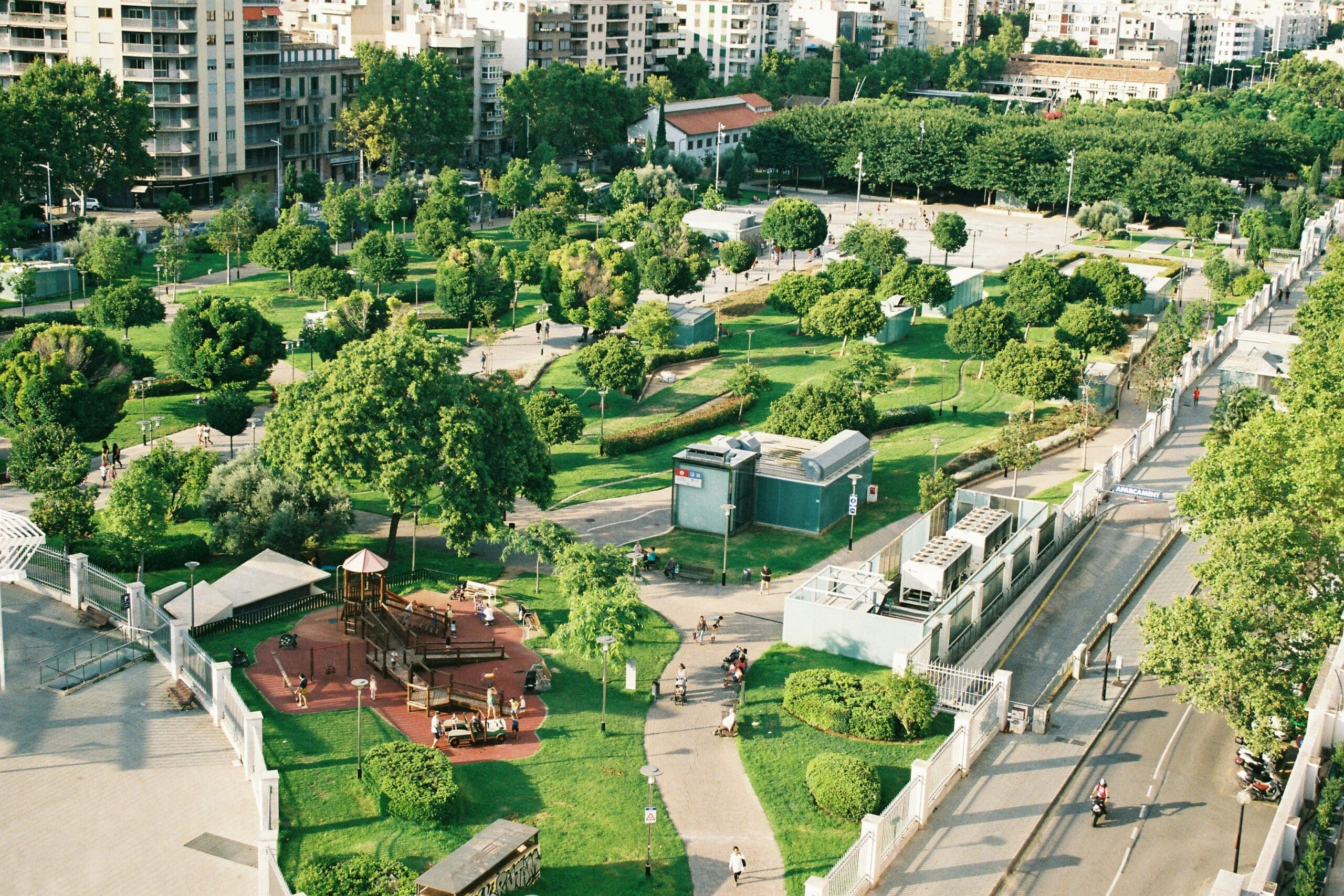
Photo by Nerea Martí Sesarino on Unsplash
You May Also Like