Date August 19, 2026
Category
Every late summer, homeowners across Dallas-Fort Worth wake up to find large, silky white webs spreading across the branches of their trees. The culprit is the fall webworm, one of the most visible and anxiety-inducing tree pests in North Texas. While those webs look alarming, the good news is that fall webworm infestations are rarely fatal to established trees. Understanding the pest's life cycle, knowing when to intervene, and having the right fall webworm control strategy can save you both unnecessary worry and unnecessary expense.
What Are Fall Webworms?
The fall webworm (Hyphantria cunea) is a native North American moth species whose caterpillars feed on the leaves of more than 100 different tree species. In the DFW area, fall webworm activity typically begins in late July or August and can continue through October. The caterpillars are social feeders. They spin large communal webs over branch tips and feed on the enclosed leaves, gradually expanding the web as they consume more foliage.
Unlike some other defoliating pests, fall webworms build their webs at the ends of branches, working outward from the tips. This distinguishes them from eastern tent caterpillars, which build their nests in the crotches of branches closer to the trunk.
Identifying Fall Webworms on Your DFW Trees
Catching a fall webworm infestation early makes management much simpler. Here is what to look for:
The Webs
Fall webworm webs start small (roughly the size of a baseball) at branch tips and can grow to enclose entire branch sections several feet long. The webs are loose, white or grayish silk, and they are filled with caterpillars, frass (caterpillar droppings), and partially eaten leaves. The webs look messy and ragged compared to the tighter, neater tents of other caterpillar species.
The Caterpillars
Fall webworm caterpillars are about one inch long when mature. In North Texas, you will typically see one of two color forms: a yellowish-green variety with black spots or a darker form with reddish-brown heads and long white hairs. Both are covered in fine, fuzzy hair that gives them a distinctive appearance.
Preferred Host Trees
In the DFW area, fall webworms commonly target:
- Pecan trees (their favorite host in North Texas)
- Mulberry
- Sweetgum
- Persimmon
- Black walnut
- Bradford pear
- Elm species
- Hickory
While webworms can infest almost any deciduous tree, oaks are less commonly affected. If your property includes several pecan or mulberry trees, you are more likely to see webworms in trees on your property each year.
Fall Webworm vs. Tent Caterpillar: How to Tell the Difference
Many DFW homeowners confuse fall webworms with eastern tent caterpillars. Here is a quick comparison:
| Feature | Fall Webworm | Eastern Tent Caterpillar |
|---|---|---|
| Season | Late summer (Aug-Oct) | Early spring (Mar-May) |
| Web location | Branch tips, outer canopy | Branch crotches, inner canopy |
| Web appearance | Loose, messy, encloses leaves | Tight, tent-like, between branches |
| Feeding | Inside the web | Leave the tent to feed elsewhere |
| Threat level | Cosmetic, rarely serious | Can defoliate small trees |
Knowing which pest you are dealing with helps determine the right response.
How Much Damage Do Fall Webworms Actually Cause?
This is where most homeowners can take a deep breath. Despite their alarming appearance, fall webworms rarely cause serious or lasting damage to established trees. The reason is timing. By the time fall webworms begin feeding in August, most trees have already completed their primary growing season. The leaves consumed by webworms in late summer were going to drop naturally within six to eight weeks anyway.
Healthy, mature trees can lose a significant portion of their canopy to fall webworm feeding and still recover fully the following spring. The damage is overwhelmingly cosmetic, not structural.
However, there are exceptions where fall webworm control becomes more important:
- Young or recently planted trees that need every leaf to build energy reserves
- Trees already stressed by drought, disease, or previous defoliation
- Trees with multiple years of consecutive heavy infestation that deplete energy reserves over time
- High-value specimen trees where appearance matters (e.g., front-yard showcase trees)
If your tree falls into one of these categories, active management is warranted.
How to Get Rid of Fall Webworms: Treatment Options
There are several effective approaches to fall webworm control, ranging from simple physical removal to professional treatment.
1. Physical Removal (Best for Small Infestations)
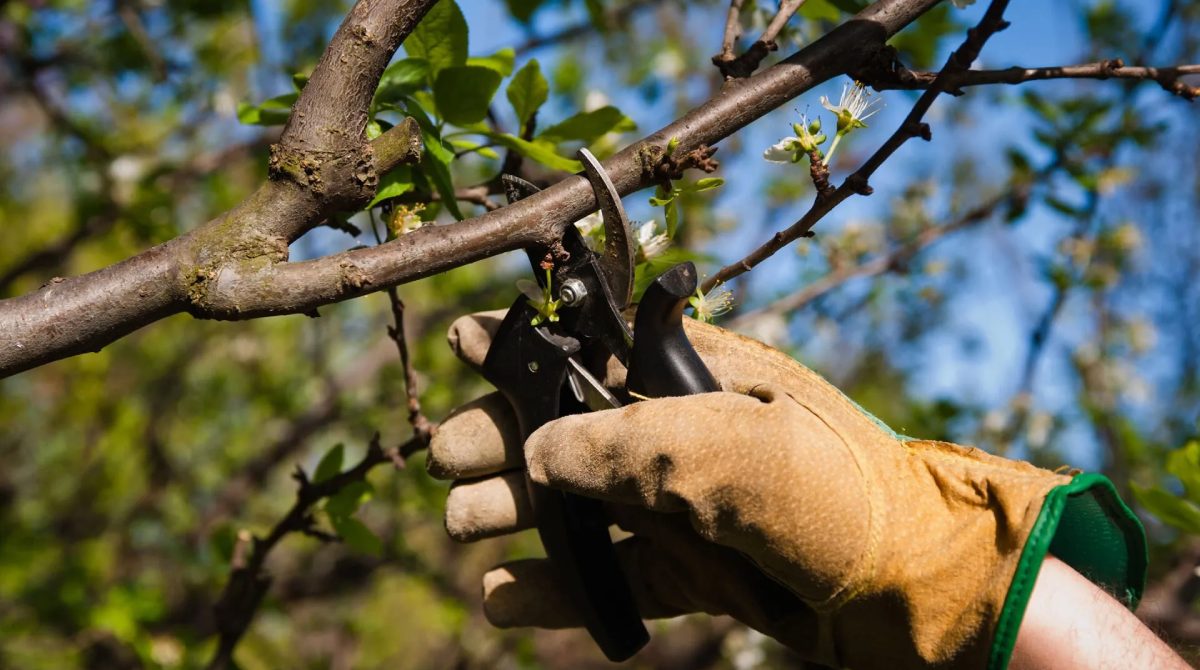
For webs that are reachable, the simplest approach is to physically remove them. Use a stick or rake to tear open the webs, exposing the caterpillars to birds and predatory insects. You can also prune out small infested branch tips, sealing them in a bag and disposing of them in the trash.
Important: Do not burn the webs. This outdated practice damages the tree far more than the webworms ever would.
2. Biological Controls
Nature provides its own fall webworm control. Encouraging natural predators is one of the most effective long-term strategies:
- Paper wasps are the most efficient natural predator of fall webworms. A single wasp colony near your trees can dramatically reduce webworm populations.
- Birds (especially cuckoos, orioles, and vireos) feed on fall webworm caterpillars.
- Bacillus thuringiensis (Bt) is a naturally occurring soil bacterium that can be sprayed on foliage. When caterpillars ingest Bt-treated leaves, it disrupts their digestive system. Bt is safe for humans, pets, birds, and beneficial insects.
3. Chemical Treatment
For severe infestations on high-value trees, targeted insecticide applications may be appropriate. Products containing spinosad or permethrin are effective against fall webworms when applied directly to open webs or surrounding foliage. Always follow label directions and consider the impact on beneficial insects, especially pollinators.
A professional plant health care assessment can determine whether chemical treatment is justified and which product is safest for your specific situation.
4. Systemic Treatments
For trees that experience heavy fall webworm infestations year after year, systemic insecticides applied to the soil or injected into the trunk can provide season-long protection. These treatments are absorbed by the tree and distributed throughout the foliage, killing caterpillars as they feed. Systemic treatments should only be applied by a qualified ISA Certified Arborist who can evaluate whether the infestation level justifies the treatment.
Preventing Fall Webworms in Future Seasons
Complete prevention of fall webworms is not realistic since the moths are widespread and highly mobile. However, you can reduce the severity of future infestations:
- Maintain tree health. Vigorous trees tolerate defoliation much better than stressed trees. Regular fertilization, proper watering, and professional pruning keep trees resilient.
- Monitor early. Check branch tips weekly from late July through September. Removing small webs early prevents them from expanding into large infestations.
- Encourage predators. Avoid spraying broad-spectrum insecticides that kill the wasps, birds, and beneficial insects that naturally control webworm populations.
- Clean up pupae. Fall webworm caterpillars pupate in leaf litter and loose bark over the winter. Raking leaves and maintaining good sanitation around susceptible trees reduces the next year's moth population.
Frequently Asked Questions
Are fall webworms harmful to my trees?
In most cases, fall webworms cause only cosmetic damage to established, healthy trees. The late-season timing of their feeding means trees have already stored most of the energy they need for the following year. However, young trees, stressed trees, or trees with repeated heavy infestations can suffer cumulative energy loss that weakens them over time.
What is the best way to get rid of webworms in trees?
For small infestations, physically tearing open the webs with a stick or pruning out infested branch tips is the simplest and most effective approach. For larger infestations, Bt (Bacillus thuringiensis) sprays are safe and effective. Severe or recurring infestations on high-value trees may benefit from professional treatment by an ISA Certified Arborist.
Do fall webworms turn into moths?
Yes. Fall webworm caterpillars pupate in the fall, overwinter as pupae in the soil or bark crevices, and emerge as white moths the following summer. The adult moths are small (about 1 inch wingspan), white, and often have dark spots on their wings. They do not feed on trees. Only the caterpillar stage causes damage.
When do fall webworms appear in North Texas?
In the DFW area, fall webworms typically appear in late July through August, with activity continuing into October. The timing varies slightly each year depending on temperatures and rainfall patterns. Warmer springs can lead to earlier first appearances.
Get Professional Help for Webworm-Infested Trees
If fall webworms are spreading across your trees and you are unsure whether treatment is needed, contact TreeNewal's team of ISA Certified Arborists for an assessment. We serve homeowners throughout Dallas-Fort Worth, from Southlake and Keller to Flower Mound, Argyle, and Denton. Our team can evaluate whether your trees need active treatment or are healthy enough to ride out the infestation on their own.
You May Also Like