Date September 08, 2026
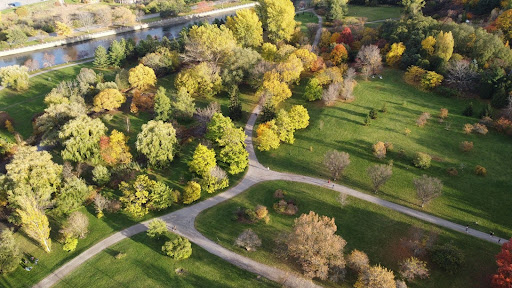
Drive through any Dallas-Fort Worth neighborhood right now and you will see the same thing on almost every block: green, tidy lawns with big shade trees standing in them. It looks like everything is fine. For the grass, it usually is. For the trees, it often is not.
North Texas has now gone more than a month without meaningful rain. The extended forecast calls for above average temperatures and below average precipitation, which means September is shaping up hot and dry as well. The eight inches of rain that fell in June is, quite literally, the reserve our trees have been living off of all summer. That reserve is nearly spent.
This article is not here to alarm you. It is here to arm you with something most homeowners have never been told: green grass tells you almost nothing about the health of the trees growing in it, and the way you water your lawn is not the way you water a tree.
Why Lawn Irrigation Never Reaches Tree Roots
A standard pop-up sprinkler system is engineered for turf. Turf roots live in the top two to four inches of soil, so that is exactly how deep a typical irrigation cycle wets the ground. Run your system for its usual ten or fifteen minutes and you have delivered a shallow drink to a very thirsty layer of grass.
Two things happen next.
First, the grass takes it. Turf is dense, fibrous, and extremely efficient at intercepting moisture. It functions like a sponge laid across the soil surface.
Second, the little water that does move downward hits North Texas clay. Our soils are heavy, and when they dry they shrink and crack. Water either runs across the surface toward the street or channels straight down a crack and past the root zone entirely.
Meanwhile, the roots that actually keep a mature tree alive, the fine absorbing roots, sit mostly in the top twelve to eighteen inches of soil and spread far wider than most people imagine. They extend well past the edge of the canopy, often two to three times the width of the branches overhead. Your sprinkler heads were never placed with that root system in mind.
The result is a tree living in a green yard while its root zone slowly dries out.
What Deep Root Watering Actually Means
Deep root watering means delivering water slowly enough, and long enough, that it soaks past the turf layer and saturates the soil where absorbing roots live. It is a difference of technique, not expense.
Water slowly. Clay soil accepts water at a very low rate. A fast, heavy application mostly runs off. A slow trickle over one to two hours penetrates.
Water the whole root zone. Spread the water evenly from near the trunk out to the edge of the canopy and beyond, and avoid keeping the root flare wet. Tree roots extend well beyond the trunk, so broad, even watering is more effective than watering in just one area.
Water deeply, then wait. A thorough soak every seven to fourteen days does far more good than a light sprinkle every day. Deep, infrequent watering encourages roots to grow down and out. Frequent shallow watering trains them to stay at the surface, which is the worst place to be in a Texas August.
Check your work. After watering, push a long screwdriver or a soil probe into the ground at several points under the canopy. If it slides in easily to eight or ten inches, you have reached the root zone. If it stops at two inches, you have watered the lawn.
Practical Tools That Work in North Texas
- Soaker hoses, coiled in loops out under the canopy and run at low pressure for one to two hours.
- Bubblers or drip emitters installed on a dedicated zone for trees. This is the most reliable long term solution for a property with valuable mature trees, because it separates tree watering from lawn watering completely.
- A slow running hose moved to three or four positions around the tree. Low tech, effective, and free if you already own a hose.
- Watering bags for young and newly planted trees, which need attention on a shorter cycle than established trees.
Signs Your Trees Are Already Feeling It
Trees are quiet about stress until they are not. In a dry North Texas summer, the early signals include:
- Leaves that look dull, drooping, or slightly folded during the hottest part of the day
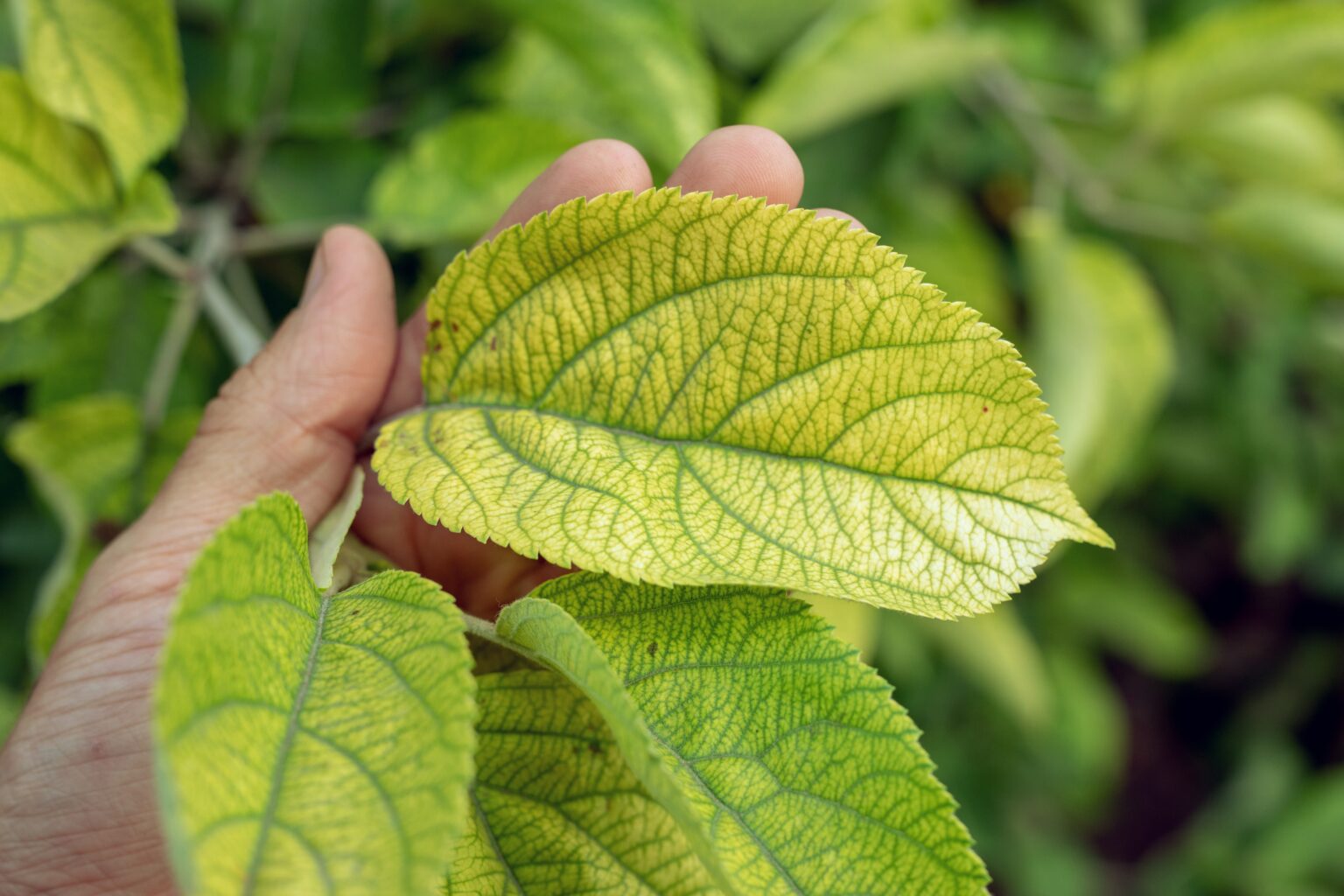
- Browning or crisping along leaf edges and between veins
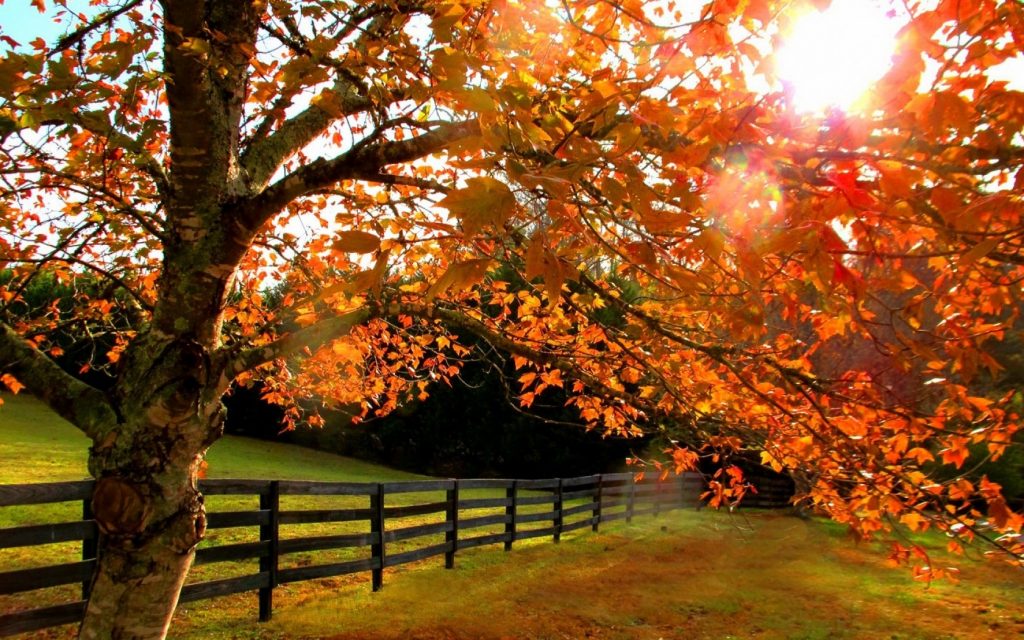
- Early fall color or leaf drop in August and September, weeks ahead of schedule
- A canopy that looks thinner or lets more light through than it did last year
- Small dead twigs at the ends of branches
Any one of these on its own can have several explanations. Several together on the same tree, in a year like this one, usually point back to water. An assessment by ISA Certified Arborists can tell you which it is and what the tree needs.
The Cost Question Nobody Likes to Ask
Water bills climb in a summer like this, and cutting back on irrigation is one of the first economies homeowners reach for. It is worth putting a number on that decision.
Running a soaker hose under a large shade tree twice a month costs a few dollars per cycle. Removing a dead mature tree, especially one near a house or a driveway, runs into the thousands. Replacing the shade, the curb appeal, and the twenty or forty years of growth that tree represented is not something a nursery can sell you.
Watering the tree is one of the cheapest things you can do on your property. Letting it decline is one of the most expensive.
Water Is Only Half of It
Water gets the tree through the summer. What gets it through the next several years is overall vigor, and that depends on the soil.
Compacted soil, thin organic matter, and turf competition all limit how much of your watering the tree can actually use. A few supporting steps make a real difference:
- Mulch. A two to four inch ring of mulch out to the drip line, kept several inches back from the trunk, moderates soil temperature, slows evaporation, and reduces turf competition. See our mulching tips for North Texas trees.
- Soil conditioning. Soil conditioning improves structure and biology so water and nutrients move where they should.
- A plant health care plan. Ongoing tree health care tailored to your species and site is how a tree builds the reserves it will need for whatever the next season brings.
As Wes Rivers, TreeNewal’s owner, puts it: it is easier to keep healthy trees healthy than to save them when they are declining. We cannot shield a tree from a Texas summer or a hard winter. We can make sure it goes into both with everything it needs.
Frequently Asked Questions
How often should I deep water my trees during a DFW drought?
For established trees, a thorough soak every seven to fourteen days is a good general target during extended dry weather, adjusted for species, soil, and how much shade the site gets. Newly planted trees need water more often, sometimes twice a week, because their root systems are still small. Check soil moisture with a probe rather than watering strictly by the calendar.
Will my sprinkler system water my trees if I just run it longer?
Longer run times help somewhat, but they are an inefficient way to reach tree roots. Most of the extra water still lands on turf, and on clay soil the excess runs off before it soaks in. A dedicated soaker hose, bubbler, or drip zone puts the same water where the tree can actually use it.
Can I water too much?
Yes. Saturated soil pushes air out of the pores that roots need, and chronically wet conditions around the root flare can encourage root disease. That is why deep and infrequent beats shallow and constant, and why we recommend checking soil moisture before each cycle. Our guide on how over watering affects your trees covers the warning signs.
My city has watering restrictions. What are my options?
Most North Texas municipalities treat hand watering, soaker hoses, and drip irrigation differently from automatic sprinkler systems, and many make specific allowances for trees. Check your city’s current rules, then build your tree watering around whatever method is permitted. Even one deep soak in a permitted window is meaningful.
Protect the Trees You Already Have
A mature shade tree in a Dallas-Fort Worth yard is worth more than almost anything else growing on the property, and this year it is asking for something your irrigation system was never designed to give it.
If you want to know how your trees are actually doing beneath that green lawn, TreeNewal’s ISA Certified Arborists can evaluate soil moisture, root health, and canopy condition, then build a watering and plant health care plan suited to your property. Contact us today to schedule an assessment.
You May Also Like