Date August 08, 2025
Category
As the summer heat peaks, August can be one of the most stressful times of the year for trees—especially in Texas and other drought-prone areas. While trees are resilient organisms, prolonged heat, dry soil, and intense sun exposure can push them beyond their limits. If you’re noticing unusual leaf behavior or growth patterns in your trees, it might be time to act.
In this guide put together by TreeNewal, we’ll help you recognize the most common tree stress symptoms in August, understand what they mean, and explain how a certified arborist can help you protect your trees’ health before fall arrives.
Why August Is So Tough on Trees
August often brings long stretches of high temperatures with little to no rain. This combination can lead to extreme water loss and dehydration in trees, especially those growing in urban or suburban environments where soil compaction and heat reflection from pavement only intensify the conditions.
Here’s why August is particularly taxing:
- High heat and low rainfall: These create a moisture deficit in the soil, starving tree roots of the hydration they need.
- Drought stress builds up: If trees have already faced heatwaves earlier in the summer, August can compound existing damage.
- Increased pest pressure: Many insects and pathogens thrive in dry conditions, taking advantage of weakened trees.
- Limited recovery time: With fall around the corner, stressed trees may not have enough time to bounce back before dormancy.
When trees experience environmental stress like this, they begin to show signs—some subtle, others dramatic. Let’s explore what to look out for.
Common Tree Stress Symptoms in August
Identifying tree stress symptoms in August early can make the difference between saving a tree or losing it. Here are the most common signs to watch for:
1. Leaf Scorch
Leaf scorch appears as browning or yellowing around the edges of leaves. It may affect just a few branches or the entire canopy. While it can resemble natural aging or disease, scorch typically results from:
- Insufficient water uptake
- Intense sunlight
- Root system damage or compaction
You’ll notice that leaves stay on the tree but look burned or dried out, especially on the sun-exposed side.
2. Early Leaf Drop
Some leaf drop in late summer is normal, especially for certain species like sycamores or pecans. However, widespread or premature defoliation—especially of green or only slightly yellowed leaves—often indicates stress. Trees do this as a survival tactic to reduce water loss, but it weakens the tree heading into fall and winter.
3. Stunted or Slowed Growth
Trees should still be putting on new growth in August, especially younger ones. If you notice:
- No new buds or shoots
- Leaves that are undersized
- Sparse canopy development
…it may be a red flag. Stunted growth often points to chronic stress or lack of nutrients and water.
4. Wilting or Curling Leaves
Wilting is a classic symptom of drought stress, but in hot climates, even adequately watered trees can wilt during midday. The key sign is if leaves remain limp or curled even in the morning or after watering. This indicates the roots are struggling to absorb moisture effectively.
5. Bark Cracking or Peeling
Excessive heat and drought can cause bark to split vertically or peel away, particularly on younger trees or those with thin bark like maples or fruit trees. This exposes the tree to further dehydration, pests, and disease.
6. Pest or Fungal Infestations
Trees in distress are like a beacon for pests and pathogens. Look out for:
- Holes in bark or wood (borers)
- Sticky residue or black sooty mold (aphids or scale)
- Powdery mildew or fungal leaf spots
If your tree is showing multiple stress symptoms and attracting pests, it’s likely in need of immediate care.
How to Respond to Tree Stress in August
Once you’ve identified one or more tree stress symptoms in August, the next step is taking corrective action. While some measures are DIY-friendly, many require the guidance of an ISA Certified Arborist.
1. Adjust Your Watering Strategy
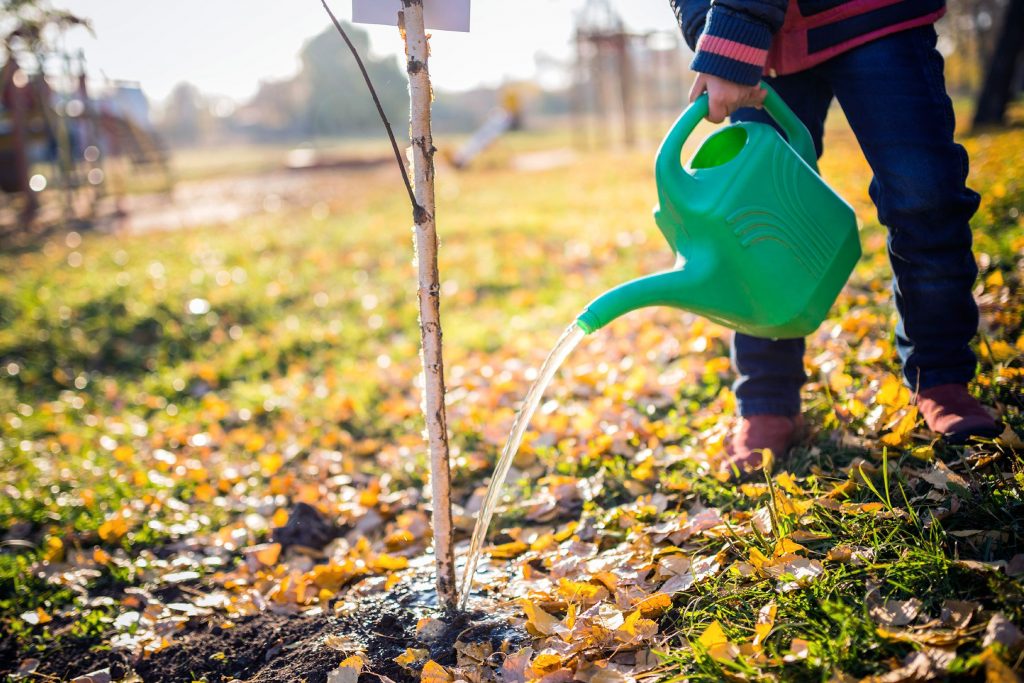
Watering is the most important thing you can do in August.
- Water deeply: Trees need slow, deep watering at the root zone—1–2 times per week depending on species and soil.
- Morning or evening only: Avoid watering during peak sun hours when evaporation is high.
- Check soil moisture: Use a screwdriver or moisture meter to ensure water is penetrating at least 6–12 inches into the soil.
Avoid frequent shallow watering, which encourages weak surface roots.
2. Apply Mulch (But Do It Right)
Mulch conserves soil moisture, moderates soil temperature, and reduces competition from weeds.
- Use 2–4 inches of organic mulch (like wood chips or pine bark)
- Extend mulch 2–3 feet out from the trunk
- Keep mulch at least 3–4 inches away from the base of the trunk to prevent rot
This creates an insulating buffer zone that helps your tree weather the summer heat.
3. Avoid Additional Stress
- Don’t prune heavily in summer, especially stressed trees
- Delay landscaping projects near trees until cooler months
- Avoid fertilizing in extreme heat unless a soil test shows a deficiency—too much fertilizer can worsen stress
Give your tree space and time to recover without adding pressure.
4. Monitor and Document Changes
Keep a tree health journal or take photos to track symptoms over time. This helps you or your arborist detect trends and make better decisions about treatment.
When to Call an ISA Certified Arborist
Sometimes, the signs are too complex—or the damage too advanced—for a homeowner to handle alone. This is where professional help can make all the difference.
Call an Arborist If:
- Leaf scorch or leaf drop is affecting most of the canopy
- Bark cracking is severe or exposing wood
- Pests or fungi appear alongside other stress symptoms
- You’ve tried watering and mulching but symptoms persist
An ISA Certified Arborist can perform a comprehensive tree health assessment, including soil analysis, root zone inspection, pest identification, and even advanced techniques like air excavation or vertical mulching.
They can also provide treatments such as:
- Root zone aeration
- Soil amendment with biochar or compost
- Anti-transpirants to reduce water loss
- Insecticidal or fungicidal applications (if needed)
Addressing problems now, before the cooler months, gives your tree a chance to recover in time for fall growth and winter dormancy.
Long-Term Strategies for Preventing Tree Stress
Beyond August, it’s important to build your tree’s resilience year-round:
1. Choose the Right Species
If planting new trees, select native or drought-tolerant species adapted to your climate. These require less water and resist heat-related stress better.
2. Schedule Seasonal Checkups
Have a certified arborist inspect your trees annually, ideally in late spring or early fall. Preventative care can stop minor issues from becoming major problems.
3. Maintain Healthy Soil
Aerated, nutrient-rich soil helps roots grow deep and strong. Add compost in the fall, and avoid compacting soil with heavy foot traffic or equipment.
4. Prune in the Dormant Season
Proper pruning during winter helps shape tree growth and prevent structural weaknesses—without the added stress of heat.
Don’t Wait Until It’s Too Late
Trees are resilient, but even the strongest can show signs of stress when August heat and drought persist. If you’re noticing tree stress symptoms in August—from scorched leaves to stunted growth—take it seriously. Early intervention can prevent long-term damage or loss.
A certified arborist can provide the diagnosis and care your tree needs to recover before the seasons change.
Concerned about your tree’s health?
Contact our team of ISA Certified Arborists today for a professional evaluation and customized treatment plan. Let’s help your trees thrive through the heat and beyond.
You May Also Like