Date December 23, 2025
Category
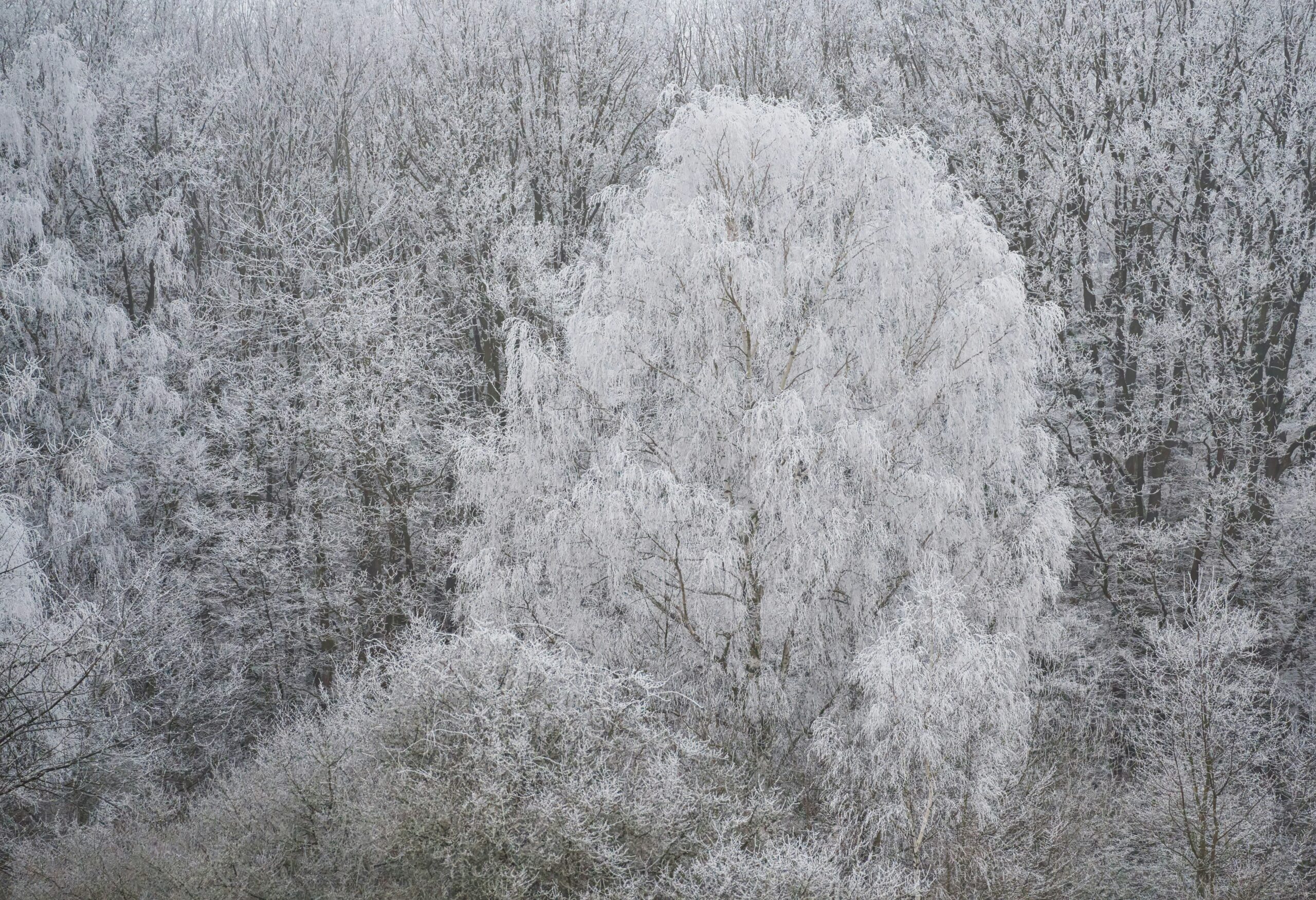
If you’ve lived in Dallas-Fort Worth for more than a year, you know the weather rarely follows the script. December in North Texas can deliver a sunny 72°F afternoon followed by a hard freeze below 25°F within 48 hours. This kind of dramatic temperature swing is more than just an inconvenience for residents deciding what to wear — it’s genuinely stressful for the trees on your property. The freeze-thaw cycles, sudden cold snaps, and unpredictable precipitation patterns that define a Dallas December can cause real, lasting damage to trees if homeowners aren’t prepared.
Understanding how these weather fluctuations affect tree health — and knowing what proactive steps you can take — can save you from expensive emergency tree care, replacement costs, and property damage down the road. Whether you’re in Plano, Southlake, Fort Worth, or anywhere across the DFW metroplex, here’s what you need to know about protecting your trees this December.
The Freeze-Thaw Challenge: Why Dallas December Weather Is Hard on Trees
What Happens During Rapid Temperature Swings
Trees in regions with consistently cold winters enter dormancy gradually and stay there until spring. Dallas-Fort Worth trees don’t get that luxury. A stretch of warm December days — and temperatures in the 60s and 70s are not unusual in North Texas — can partially rouse trees from dormancy. Sap begins to move, buds may swell slightly, and the tree shifts toward a more metabolically active state. When temperatures then plummet overnight into the 20s or low 30s, that partially active tissue is caught in a vulnerable state.
This cycle can repeat multiple times throughout December in the DFW area. Each swing stresses the tree’s tissues, and cumulative damage over a season can weaken even healthy, well-established trees. The result is a range of winter injuries that may not become fully apparent until the following spring.
Why DFW’s Clay Soils Make It Worse
The heavy clay soils that dominate much of Dallas-Fort Worth add another layer of complexity. Clay soil expands when wet and contracts when dry, which already stresses root systems year-round. When that saturated clay freezes, it expands further, potentially heaving roots and disrupting the soil-root interface. When it thaws, the soil settles unevenly, leaving air pockets around roots that can lead to desiccation and dieback. This freeze-thaw soil movement is particularly damaging for newly planted trees and shallow-rooted species.
Frost Cracking: The Sound of Winter Damage
What Is Frost Cracking?
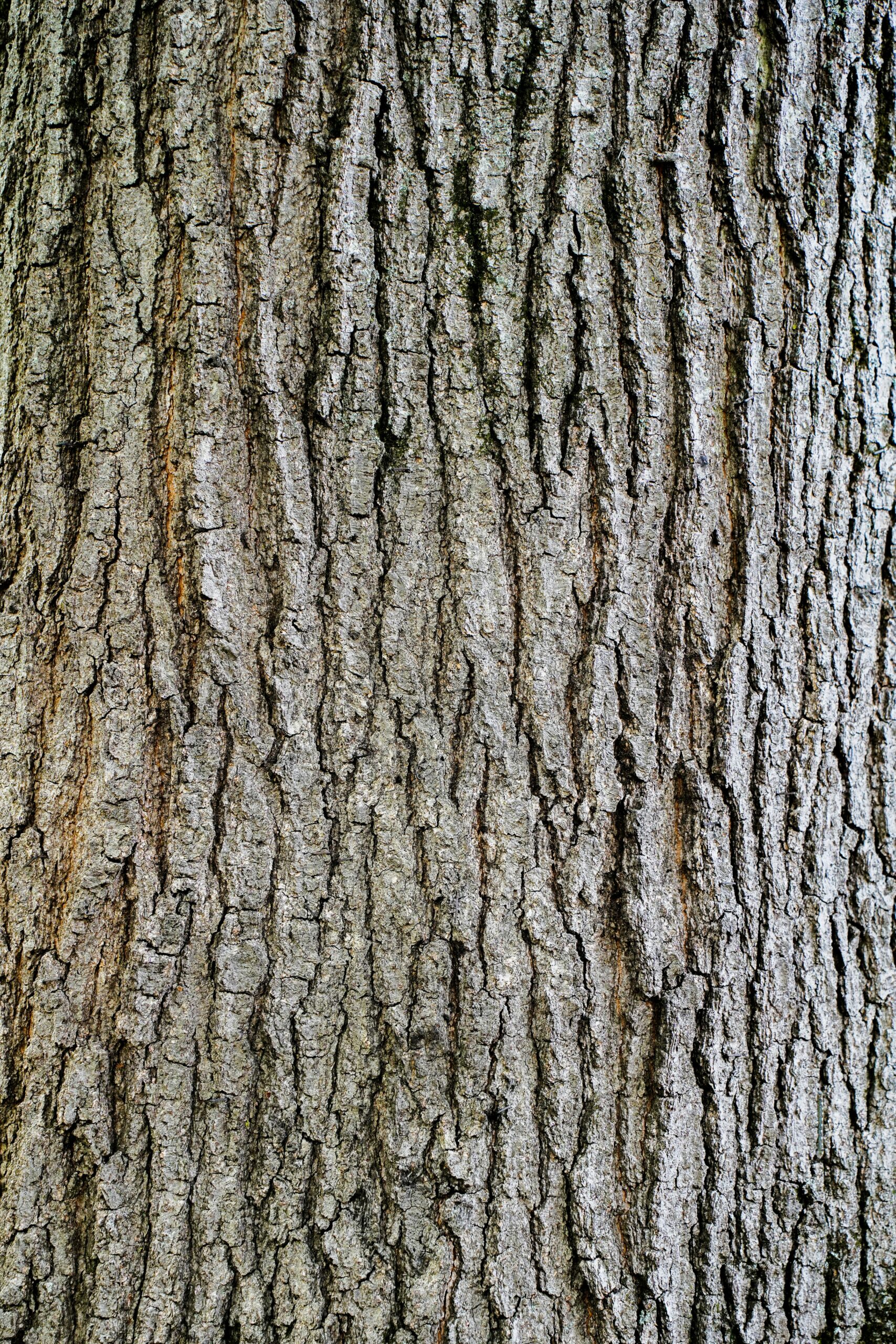
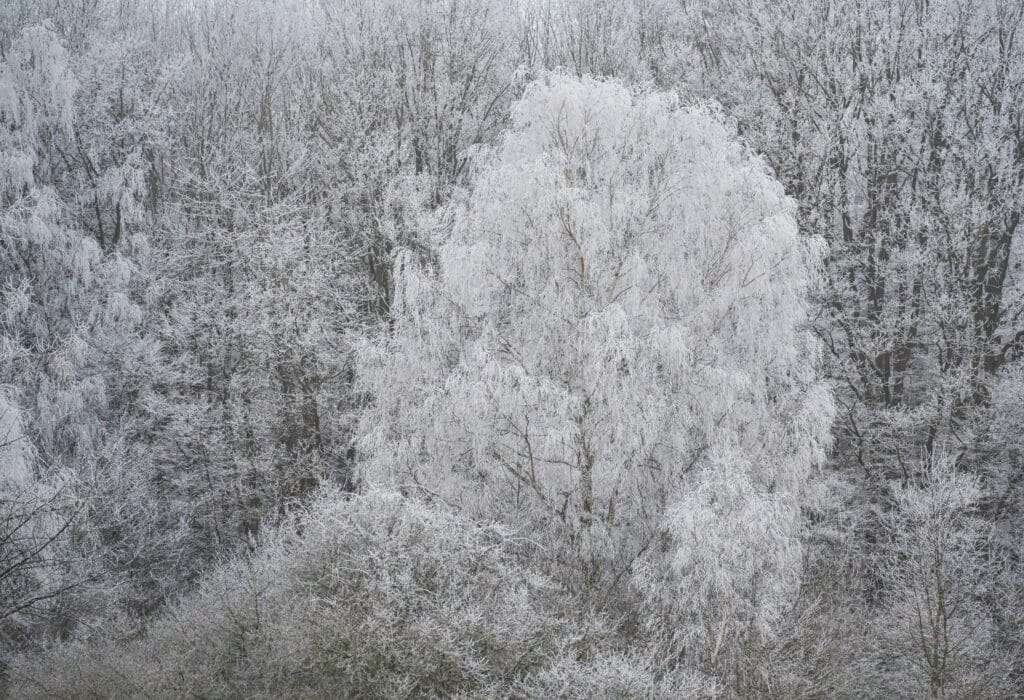
Frost cracking — also called radial shakes or southwest injury — occurs when the bark and outer wood of a tree contracts rapidly during a sudden drop in temperature. On a warm December afternoon in Dallas, the south- and west-facing sides of a tree trunk absorb solar heat, warming the bark and outer sapwood well above the ambient air temperature. When the sun sets and temperatures drop sharply, that heated tissue contracts faster than the cooler interior wood, creating internal tension that can literally split the bark with an audible crack.
Homeowners across Grapevine, Flower Mound, Frisco, and other DFW communities sometimes report hearing these cracks on cold winter nights — a sharp, rifle-like sound coming from the yard. The resulting vertical splits in the bark can range from minor surface fissures to deep cracks that extend into the heartwood.
Which Trees Are Most Susceptible
Trees with thin bark are most vulnerable to frost cracking. In the Dallas-Fort Worth area, commonly affected species include young red oaks, maples, sycamores, and thin-barked ornamentals. Mature trees with deeply furrowed bark, like established pecans and bur oaks, have natural insulation that makes them more resistant. Newly planted trees and those growing in exposed locations without the buffering effect of surrounding vegetation or structures are at highest risk.
What You Can Do
For high-value or newly planted trees, wrapping the trunk with commercial tree wrap or light-colored protective guards from late November through February can reduce the temperature differential that causes frost cracking. The wrap reflects sunlight, preventing the bark from warming excessively during the day. This is a simple, inexpensive step that can prevent significant damage. ISA Certified Arborists can advise on which trees on your property would benefit most from winter protection.
Winter Desiccation: When Evergreens Dry Out
The Hidden Danger for Evergreen Trees
While deciduous trees shed their leaves and essentially shut down water loss for the winter, evergreen species — including live oaks, hollies, magnolias, and various conifers common throughout DFW — continue losing moisture through their leaves or needles all winter long. This process, called transpiration, doesn’t stop just because it’s December.
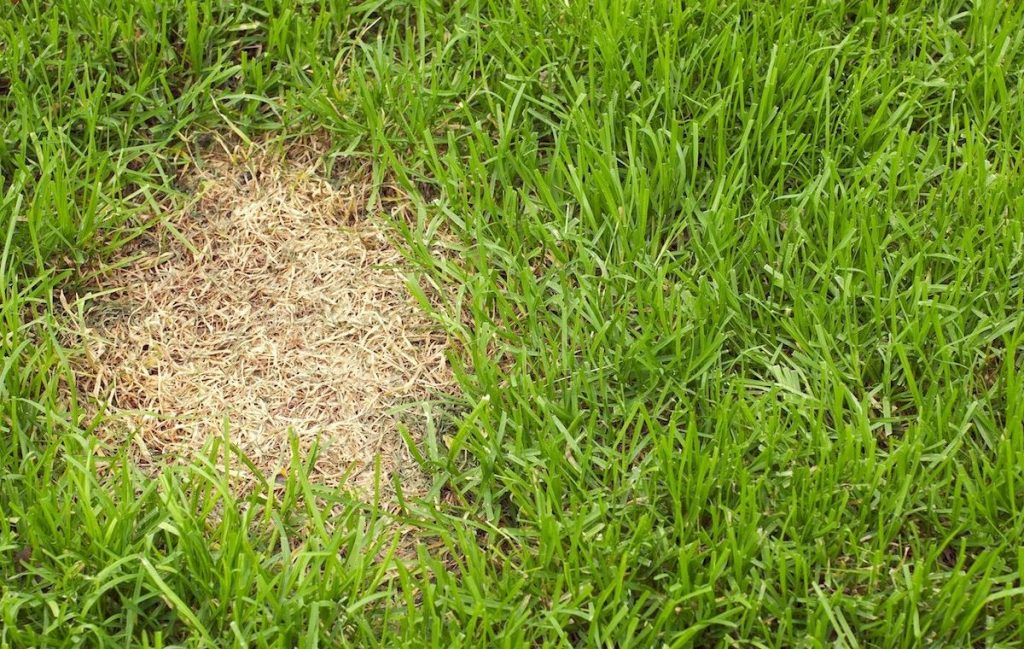
The problem arises when frozen soil prevents roots from absorbing replacement moisture. Even in Dallas, where soil freezing is usually shallow and temporary, a sustained cold snap combined with dry conditions can create a moisture deficit in evergreen foliage. The result is winter desiccation, also called winter burn — leaves or needles that turn brown, dry, and papery, particularly on the south- and west-facing sides of the tree where wind and sun exposure are greatest.
Recognizing Winter Desiccation
Desiccation damage typically appears as browning at the tips and margins of evergreen leaves, bronze or rust-colored discoloration of conifer needles, and a generally scorched or dried appearance on the windward side of the plant. In the DFW area, this damage often shows up in late January or February but begins during December’s cold snaps. It’s commonly mistaken for disease, but the pattern — affecting exposed portions of the plant while sheltered areas remain green — is diagnostic.
Prevention Through Winter Watering
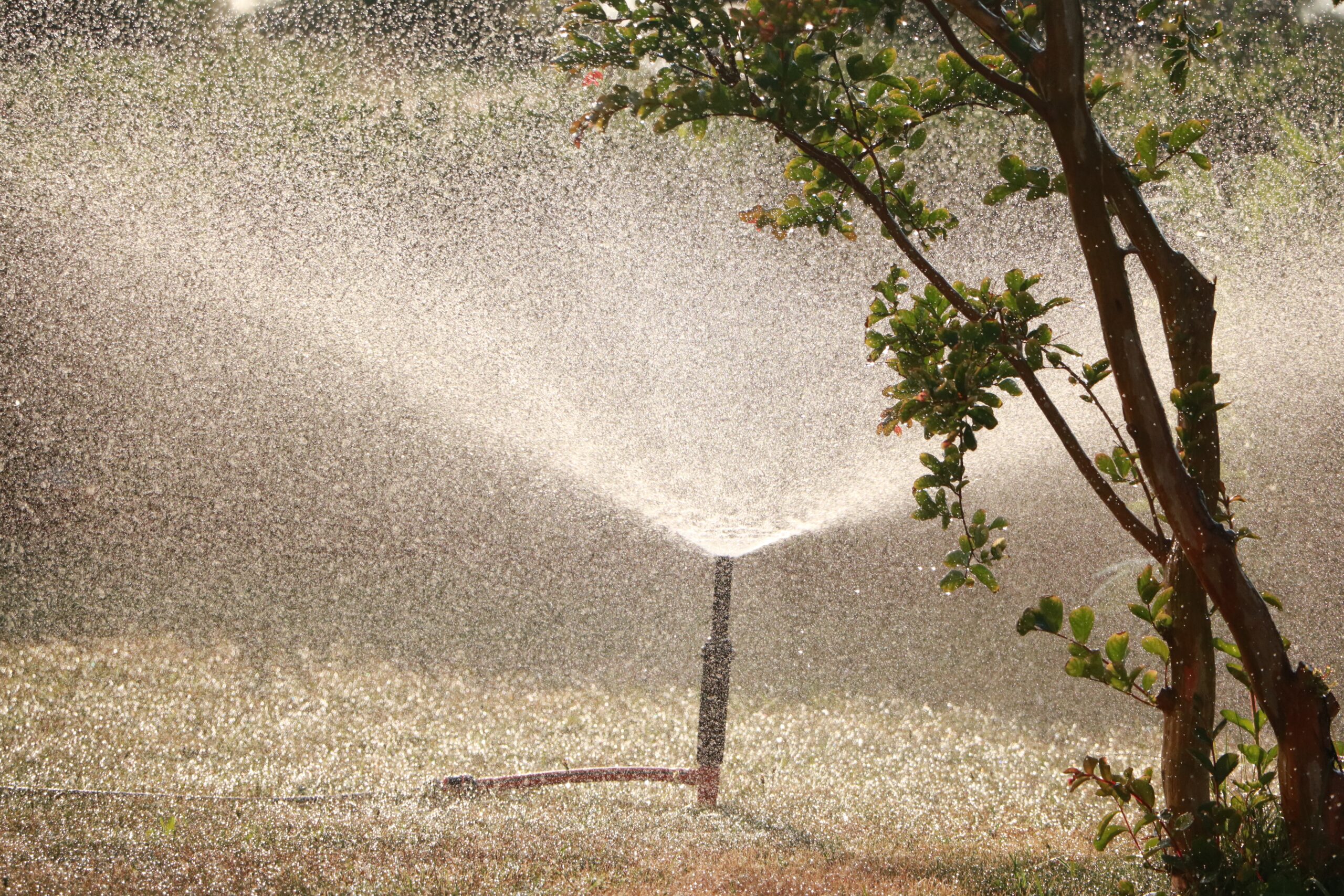
The single most effective prevention for winter desiccation in Dallas-Fort Worth is supplemental watering during dry winter periods. This is one of the most overlooked aspects of winter tree care. Many homeowners shut off irrigation systems in November and don’t think about watering again until spring. But North Texas winters can be quite dry, and without natural rainfall, both evergreen and deciduous trees can enter spring with depleted soil moisture and stressed root systems.
The best practice is to water deeply once every two to three weeks during winter when there has been no significant rainfall. Water on a day when temperatures are above 40°F and the ground isn’t frozen. Focus on the root zone — roughly the area beneath the canopy drip line — rather than the trunk. This maintains soil moisture, supports root function, and gives evergreens the water supply they need to sustain their foliage through winter.
Mulching: Your Trees’ Best Winter Insulation
How Mulch Protects Roots
A proper layer of mulch is one of the most effective and most underutilized tree care tools for Dallas-Fort Worth homeowners. Applied in a ring around the tree, mulch acts as insulation for the root zone, moderating soil temperature fluctuations during December’s freeze-thaw cycles. Mulched soil stays warmer during cold snaps and cooler during warm spells, reducing the stress on root tissues and maintaining more consistent moisture levels.
Proper Mulching Technique
Apply organic mulch — shredded hardwood bark, native wood chips, or composted leaf litter — in a layer three to four inches deep, extending from six inches away from the trunk out to the drip line or as far as practical. The critical detail that many homeowners get wrong is piling mulch against the trunk, creating what arborists call a “mulch volcano.” This practice traps moisture against the bark, promotes fungal growth and decay, and can actually kill the tree over time.
Keep the mulch pulled back from the trunk so the root flare — where the trunk widens as it meets the ground — is visible and exposed to air. Properly applied, winter mulch in Dallas can reduce root zone temperature extremes by ten degrees or more, which is often the difference between healthy roots and freeze-damaged ones, especially in the clay soils common across Plano, Arlington, and Southlake.
Protecting Young and Newly Planted Trees
Why New Trees Are Especially Vulnerable
Trees planted within the last one to three years haven’t yet established the extensive root systems that help mature trees endure winter stress. Their smaller root mass means less stored energy, less access to deep soil moisture, and less structural anchorage during wind events. In DFW’s unpredictable December weather, newly planted trees face a triple threat: freeze damage to underdeveloped roots, desiccation from wind exposure, and mechanical instability during ice events.
Steps to Protect New Plantings
Homeowners who planted trees in fall 2025 or earlier in 2026 should take the following steps before the first hard freeze. First, apply a generous mulch ring as described above to insulate the root zone. Second, water deeply one to two days before any forecasted freeze — moist soil holds heat better than dry soil and protects roots from deep freezing. Third, for small ornamental trees, consider wrapping the trunk with tree wrap to prevent frost cracking on thin, young bark. Fourth, ensure any staking hardware is secure but not so tight that it prevents natural trunk movement, which is necessary for developing taper strength.
If temperatures are forecast to drop below 25°F for an extended period, temporarily wrapping the entire canopy of small, newly planted trees with frost cloth or burlap can provide meaningful protection. Remove the covering as soon as temperatures rise to prevent overheating and moisture trapping.
Lessons from Winter Storm Uri: Why Preparedness Matters
The 2021 Wake-Up Call
In February 2021, Winter Storm Uri brought historic cold to Dallas-Fort Worth, with temperatures plunging below zero in some areas and staying below freezing for nearly a week. The tree damage across North Texas was staggering. Mature live oaks, crape myrtles, and countless other species suffered severe canopy dieback, bark splitting, and in many cases, total loss. The aftermath stretched into 2022 and beyond, as trees that initially survived slowly declined from the cumulative stress of root damage, dehydration, and compromised vascular systems.
What Uri Taught Us
Winter Storm Uri underscored several critical lessons for DFW homeowners and tree care professionals alike. First, proactive winter maintenance — including pruning, mulching, and watering — dramatically improved tree survival rates. Properties where trees had been properly maintained before the storm saw significantly less damage and faster recovery than those where trees had been neglected. Second, species selection matters. Native and adapted species like bur oak, cedar elm, and Texas red oak fared better overall than non-native ornamentals. Third, site conditions are everything. Trees in protected microclimates, with proper mulch and adequate soil moisture, weathered the freeze far better than exposed, neglected specimens.
While a storm of Uri’s magnitude is uncommon, less extreme but still damaging winter weather events are a regular feature of Dallas-Fort Worth’s climate. The preparation you do in December matters — not just for this winter, but for building the cumulative resilience your trees need to survive the next severe event.
Winter Watering Before Freezes: The Most Overlooked Cold Weather Tree Protection
It bears repeating because it’s so frequently neglected: watering your trees before a freeze is one of the best things you can do for them. When weather forecasts show a hard freeze approaching — which happens multiple times each December in Dallas — water your trees deeply two to three days before the cold arrives. Moist soil releases heat slowly, keeping the root zone warmer than dry soil. It also ensures that root tissues are fully hydrated, which increases their freeze tolerance.
This applies to both deciduous and evergreen trees, and it’s especially critical for trees planted in the last few years. A thorough soaking with a garden hose or drip irrigation, applied slowly to allow deep penetration into DFW’s clay soil, can be the single most impactful winter care step you take. Set a reminder on your phone for every freeze warning — your trees will show the difference come spring.
Take Action Now — Protect Your Tree Health in Dallas This Winter
Dallas’s December weather may be unpredictable, but your tree care doesn’t have to be. Every step you take this month — mulching, watering before freezes, protecting young trees, and scheduling professional assessments — pays dividends in healthier, more resilient trees when spring arrives. The freeze-thaw cycles, ice storms, and temperature swings that define our North Texas winters are unavoidable, but the damage they cause is largely preventable with the right care.
TreeNewal’s ISA Certified Arborists understand the unique challenges that Dallas-Fort Worth’s climate poses for trees. We serve homeowners and commercial properties across the metroplex, including Southlake, Grapevine, Flower Mound, Plano, Frisco, Arlington, and Fort Worth, providing expert winter tree care, structural assessments, freeze damage evaluation, and year-round maintenance programs tailored to North Texas conditions.
Don’t leave your trees to face this winter unprotected. Call TreeNewal at (817) 329-2450 to schedule a winter tree health consultation and give your landscape the professional care it deserves.
You May Also Like